Getting bedroom lighting right isn’t just about screwing in a bulb and calling it done. Poor lighting can throw off sleep cycles, make it harder to read, and turn getting dressed into a frustrating game of guesswork. The right combination of fixtures, bulb types, and placement can turn a bedroom from a place where someone crashes at night into a truly restful space that supports both relaxation and daily tasks. This guide breaks down the types of lighting every bedroom needs, the best bulb choices for sleep quality, and the fixtures that deliver both function and style.
Table of Contents
ToggleKey Takeaways
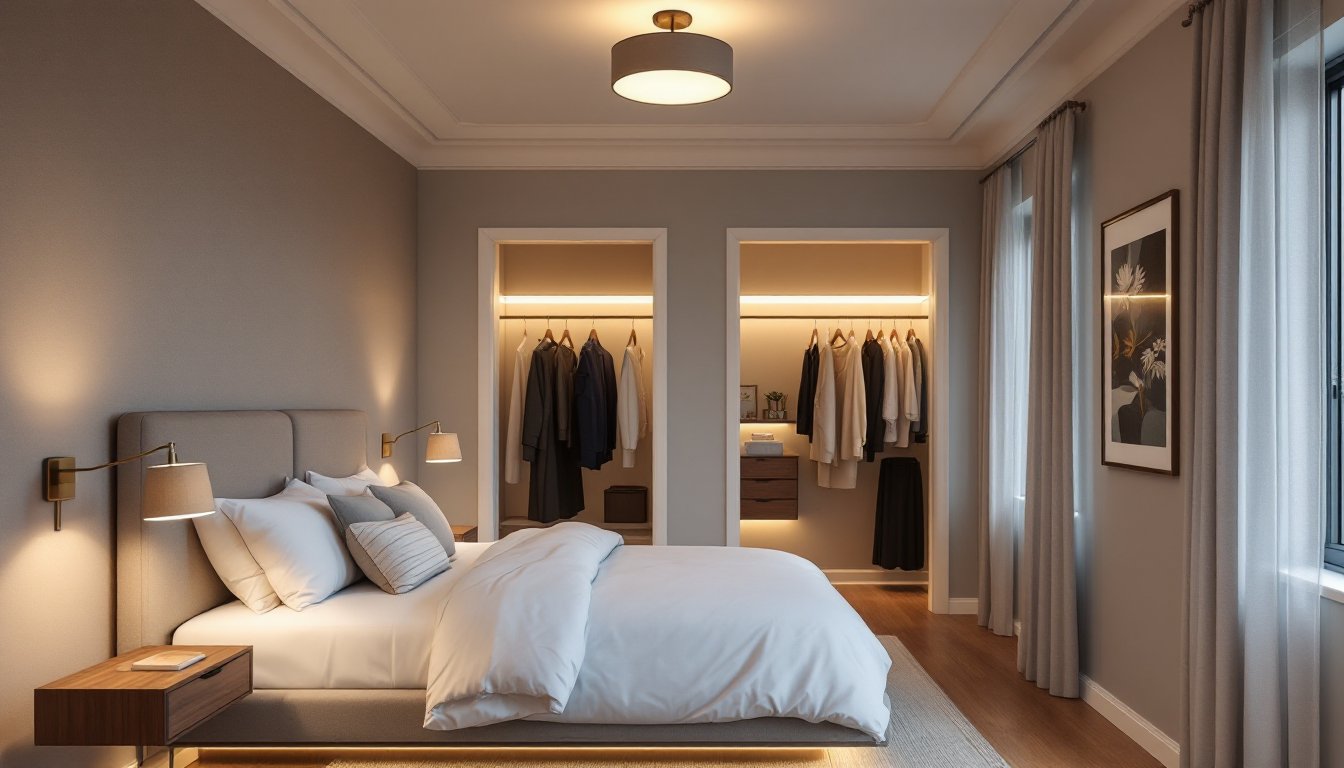
- The best lighting for bedroom should combine ambient, task, and accent lighting on separate switches or dimmers to address sleep, reading, dressing, and mood needs.
- Warm white bulbs (2700K-3000K) are essential for bedroom lighting because they reduce blue light exposure and support natural melatonin production for better sleep quality.
- Task lighting like bedside lamps (20-26 inches tall) and swing-arm sconces should provide 300-500 lumens focused on specific activities to prevent eye strain and improve functionality.
- Dimmable LED bulbs are non-negotiable—pair them with quality dimmer switches rated for LED loads to avoid flickering and ensure flexibility from bright tasks to relaxing bedtime.
- Recessed lights work best for low ceilings (under 8 feet), while chandeliers and pendants suit rooms with 9+ foot ceilings; always prioritize diffused light through fabric shades over glittery fixtures.
- Smart bulbs with tunable white features that automatically shift from cool morning light to warm evening tones offer an advanced upgrade to support circadian rhythms and sleep quality.
Why Bedroom Lighting Matters More Than You Think
Bedrooms serve multiple functions, sleep, reading, dressing, and sometimes working, and each requires different lighting conditions. A single overhead fixture rarely handles all these tasks well.
Circadian rhythm, the body’s internal clock, responds directly to light exposure. Blue-rich light in the evening suppresses melatonin production, making it harder to fall asleep. Warm, dim lighting signals the brain that it’s time to wind down. Installing the wrong color temperature or placing lights poorly can sabotage sleep quality without anyone realizing the cause.
Beyond biology, practical needs matter. Reading in bed with only ambient overhead light causes eye strain. Getting dressed in dim light makes color matching a gamble. Task lighting solves these problems without flooding the room with harsh brightness.
Many homeowners also underestimate how lighting affects mood and perceived room size. A well-lit bedroom feels more spacious and inviting, while poor lighting can make even a large room feel cramped or unwelcoming. Layered lighting approaches address all these needs by combining multiple fixture types at different brightness levels and positions.
Types of Bedroom Lighting and Their Roles
Ambient Lighting
Ambient lighting provides the room’s general illumination. This is typically a ceiling-mounted fixture, a flush mount, semi-flush mount, or recessed can lights. For a standard 12′ × 12′ bedroom, aim for roughly 200-300 lumens per square foot for comfortable ambient light, though bedrooms benefit from the lower end of that range to maintain a calm atmosphere.
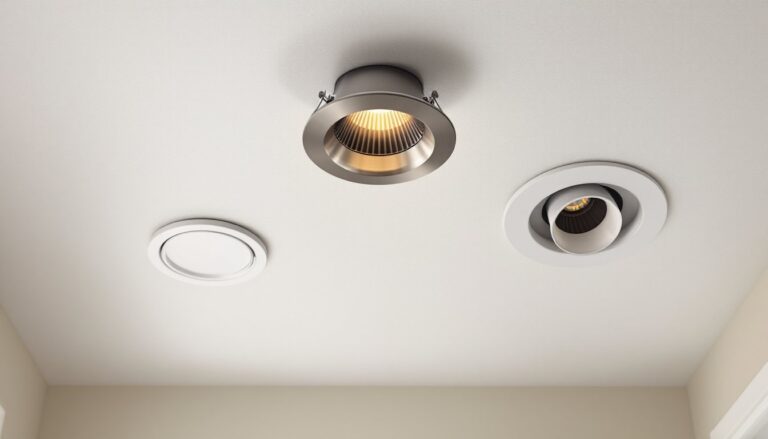
Recessed lighting works well in rooms with low ceilings (under 8 feet) where a hanging fixture might feel intrusive. Space cans about 4-6 feet apart for even coverage. In rooms with ceiling fans, a fan-light combo can handle ambient duties, but make sure the bulbs are dimmable, bedroom lighting should never be all-or-nothing.
Skip the single central fixture if possible. It creates harsh shadows and unflattering light. Instead, consider two or three smaller fixtures distributed across the ceiling, or use wall sconces to bounce light off the ceiling for softer ambient coverage.
Task Lighting
Task lighting targets specific activities: reading, applying makeup, or sorting through a closet. Bedside table lamps are the most common task fixtures, and they should sit at the right height, the bottom of the shade should align with the user’s chin when seated in bed, roughly 20-26 inches tall for most beds.
Swing-arm wall sconces mounted 4-6 feet off the floor work well in tight spaces or when nightstands are small. They free up surface area and direct light exactly where it’s needed. For reading, look for fixtures that provide at least 300-500 lumens focused on the book or device.
Closets need their own task lighting. A single overhead bulb often leaves clothing in shadow. Consider an LED strip light mounted on the closet rod or a motion-activated puck light. Both options illuminate hanging clothes without requiring a switch.
Vanity areas demand even, shadow-free light. Wall-mounted sconces on either side of a mirror work better than a single overhead fixture, which casts shadows under the eyes and chin. Aim for 75-100 watts equivalent per side in soft white or daylight bulbs, depending on preference.
Accent Lighting
Accent lighting adds depth and visual interest. It’s optional, but it can turn a basic bedroom into something more refined. LED strip lights behind a headboard or under a floating bed frame create a subtle glow that’s perfect for late-night navigation without turning on harsh overhead lights.
Picture lights highlight artwork, while small uplights can wash a textured wall or architectural detail in soft light. These fixtures are typically low-wattage, 15-25 watts equivalent, since their job is atmosphere, not illumination.
Accent lighting also includes decorative fixtures like a statement chandelier or sculptural table lamp. These should complement the room’s style but still provide functional light. A beautiful fixture that doesn’t light the room properly is just expensive decor, and choosing fixtures that balance form and function is crucial for bedroom success.
Best Light Bulbs and Color Temperatures for Sleep
Bulb choice matters as much as fixture placement. Color temperature, measured in Kelvin (K), dramatically affects how a room feels and how well someone sleeps.
Warm white (2700K-3000K) is the standard for bedrooms. It mimics the glow of incandescent bulbs and candlelight, promoting relaxation. This range reduces blue light exposure, which helps melatonin production kick in naturally as bedtime approaches. Most LED bulbs in this range are labeled “soft white” or “warm white.”
Daylight bulbs (5000K-6500K) belong in garages and workshops, not bedrooms. They’re too stimulating for evening use. But, some people prefer a neutral white (3500K-4100K) bulb in closets or vanity areas where accurate color rendering matters for selecting clothing or applying makeup.
Dimmability is non-negotiable. A bedroom needs flexibility, bright enough for cleaning or folding laundry, dim enough for winding down. Not all LED bulbs dim smoothly: cheaper models flicker or hum. Look for bulbs specifically labeled “dimmable” and pair them with a quality dimmer switch rated for LED loads. Incompatible dimmers cause buzzing and shortened bulb life.
For wattage, 60-watt equivalent LEDs (800 lumens) work well for most bedside lamps. Ambient fixtures can go higher, 100-watt equivalent (1600 lumens), especially if using a dimmer. Closets and accent lights need far less, often just 40-watt equivalent (450 lumens).
Smart bulbs offer an edge. Models with tunable white or color-changing features let users shift from cool, energizing light in the morning to warm, dim light at night. Some integrate with circadian rhythm apps that automatically adjust color temperature throughout the day. It’s not essential, but it’s a solid upgrade for anyone serious about sleep quality. Research from sleep and lighting studies supports using warmer tones in evening hours to support natural sleep cycles.
CRI (Color Rendering Index) also matters, especially in dressing areas. Look for bulbs with a CRI of 80 or higher. Lower CRI bulbs distort colors, making navy look black or making it hard to distinguish similar shades.
Top Bedroom Lighting Fixtures for Every Style
Fixture style depends on ceiling height, room size, and personal taste, but functionality shouldn’t be sacrificed for aesthetics.
Flush and semi-flush mounts suit rooms with ceilings under 8 feet. They sit close to the ceiling, providing ambient light without head clearance issues. Semi-flush mounts drop a few inches, adding a bit of style without the commitment of a full chandelier. Both work well in guest bedrooms, kids’ rooms, or any space where simplicity and safety matter.
Chandeliers and pendant lights make a statement in primary bedrooms with ceilings 9 feet or taller. Hang the bottom of the fixture at least 7 feet off the floor to avoid head injuries. In bedrooms, avoid overly ornate or glittery fixtures that scatter light unpredictably, opt for fabric drum shades or frosted glass that diffuses light evenly.
Recessed cans (4-inch or 6-inch) provide clean, modern ambient lighting. Use IC-rated housings if installing in insulated ceilings to prevent fire hazards. Pair them with baffle or reflector trims depending on whether diffused or focused light is preferred. Recessed lights work especially well in contemporary or minimalist bedrooms where visible fixtures would clutter the aesthetic.
Swing-arm sconces are the go-to task light for bedrooms. Mount them 18-24 inches above the mattress height and 6-12 inches out from the bed’s edge for optimal reading angles. Hardwiring is cleaner, but plug-in models work fine if an outlet is nearby and cords can be concealed.
Table lamps offer the most flexibility. They’re portable, easy to swap, and come in every conceivable style. For bedside use, choose lamps with three-way bulbs or built-in dimmers. A lamp that’s either off or blazing at full brightness isn’t useful in a bedroom. The shade material matters too, linen or fabric diffuses light well, while metal or opaque shades direct light up and down, leaving the sides dark.
LED strip lighting has become a favorite for accent work. Stick it under bed frames, behind headboards, or along crown molding for indirect ambient glow. Use strips rated for indoor residential use and check for adhesive quality, cheap strips fall off after a few months. Many are compatible with smart home systems for easy color and brightness control. Ideas for transforming spaces with creative fixture placement can help visualize how these elements work together.
Track lighting is less common in bedrooms but can work in multipurpose spaces or loft-style rooms. Adjustable heads allow precise task or accent lighting, though the industrial look isn’t for everyone.
Whatever fixtures are chosen, make sure they’re on separate circuits or switches. The ability to control ambient, task, and accent lighting independently is what separates a well-designed bedroom from one that feels flat or over-lit. Installing dimmer switches on all bedroom circuits is a small upgrade with a huge return on comfort and usability. Inspiration from home design resources and decor experts can help refine fixture selection based on room style and layout.
Finally, don’t ignore the finish. Brushed nickel, matte black, and aged brass are popular and pair well with most bedroom palettes. Chrome tends to read too clinical unless the room skews modern or industrial. Match fixture finishes to hardware (door handles, drawer pulls) for a cohesive look.