Good lighting changes everything. It affects mood, productivity, and how a room feels the moment someone walks in. The right lighting examples can transform a dull space into something warm, functional, and visually striking.
This guide covers practical lighting examples across different categories. From natural light strategies to layered approaches, each section offers ideas that work in real homes and workspaces. Whether someone is redesigning a living room or setting up a home office, these lighting examples provide a clear starting point.
Table of Contents
ToggleKey Takeaways
- Lighting examples across natural, ambient, task, and accent categories help transform any space into a functional and visually appealing environment.
- Maximize natural light using south-facing windows, skylights, and strategically placed mirrors to reduce energy costs and create healthier spaces.
- Layer your lighting by combining ambient, task, and accent sources—aim for three to five light sources per room for balanced illumination.
- Use dimmer controls to adjust brightness throughout the day, allowing flexibility for different activities and moods.
- Maintain color temperature consistency (2700K–3000K) across all bulbs in a room to avoid visual confusion.
- Apply these practical lighting examples as a system rather than isolated fixtures to achieve professional-quality results in any home or workspace.
Natural Lighting Techniques
Natural light remains the most cost-effective lighting source available. It improves focus, regulates sleep cycles, and makes spaces feel larger. Smart use of natural light reduces energy bills and creates a healthier environment.
Window Placement and Treatment
South-facing windows capture the most daylight throughout the day. Sheer curtains diffuse harsh sunlight without blocking it entirely. For rooms with limited windows, light-colored walls reflect natural light deeper into the space.
Skylights and Light Tubes
Skylights bring direct overhead light into interior rooms. They work particularly well in bathrooms, hallways, and kitchens. Light tubes offer a more affordable alternative, they channel sunlight through reflective tubes from the roof to dark areas below.
Mirrors and Reflective Surfaces
Strategically placed mirrors bounce natural light across a room. A large mirror opposite a window can double the perceived light. Glass tables, metallic accents, and glossy finishes create similar effects.
These lighting examples show how maximizing daylight reduces dependency on artificial sources during daytime hours.
Ambient Lighting Options
Ambient lighting provides the base layer of illumination in any room. It creates general brightness without harsh shadows or glare. Most lighting examples in this category focus on soft, even distribution.
Ceiling-Mounted Fixtures
Flush-mount and semi-flush fixtures spread light evenly across a room. They suit bedrooms, hallways, and smaller living spaces. Chandeliers and pendant lights add visual interest while serving the same purpose.
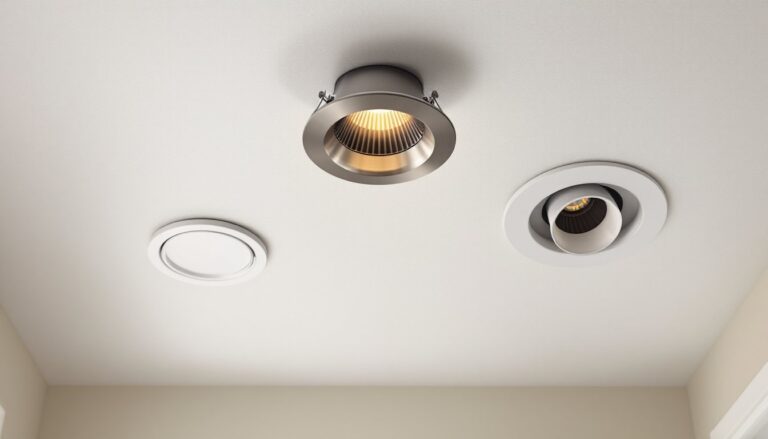
Recessed Lighting
Recessed lights sit flush with the ceiling. They create a clean, modern look and work well in rooms with low ceilings. Spacing them 4 to 6 feet apart ensures even coverage.
Wall Sconces
Wall sconces cast light upward or downward along walls. They add warmth to living rooms, bedrooms, and dining areas. Sconces with fabric shades produce softer effects than those with exposed bulbs.
Cove Lighting
Cove lighting hides LED strips in ledges or recesses near the ceiling. The light bounces off the ceiling and creates a gentle glow. This technique adds drama without being overwhelming.
These ambient lighting examples form the foundation that other lighting layers build upon.
Task Lighting Solutions
Task lighting delivers focused illumination for specific activities. Reading, cooking, and working all require directed light to reduce eye strain and improve performance.
Desk Lamps
A quality desk lamp makes a real difference in a home office. Adjustable arms let users position light exactly where needed. LED desk lamps with color temperature controls offer flexibility for different tasks.
Under-Cabinet Lighting
Kitchen counters need direct light for food preparation. LED strips or puck lights mounted beneath upper cabinets eliminate shadows on work surfaces. These lighting examples also add visual depth to kitchen design.
Pendant Lights Over Islands
Hanging pendants 30 to 36 inches above kitchen islands provide targeted task lighting. They combine function with style. Groups of two or three pendants create balance over longer surfaces.
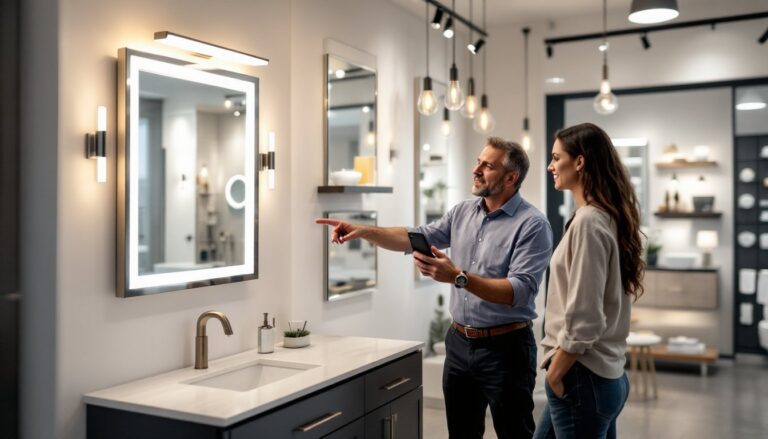
Vanity Lighting
Bathroom vanity lights positioned at eye level reduce unflattering shadows on the face. Vertical sconces on either side of a mirror work better than a single overhead fixture.
Reading Lights
Swing-arm wall lamps beside beds free up nightstand space. Floor lamps with adjustable heads serve the same purpose in living rooms. Both lighting examples direct light onto pages without disturbing others nearby.
Accent Lighting Ideas
Accent lighting draws attention to specific features or objects. It adds depth, creates visual interest, and highlights architectural details or artwork.
Picture Lights
Picture lights mount above paintings or photographs. They cast a focused beam onto the artwork below. This technique makes pieces stand out on walls, especially in galleries or living rooms.
Track Lighting
Track systems allow multiple adjustable heads along a single rail. Users can aim each head at different focal points. Track lighting works well in spaces that display collections or change frequently.
Uplighting
Floor-based uplights wash walls or ceilings with light from below. Placing them behind plants creates dramatic shadows. This lighting example adds atmosphere to corners that would otherwise go unnoticed.
Display Cabinet Lighting
Small LED strips inside glass-front cabinets showcase china, glassware, or collectibles. Battery-operated options make installation simple without wiring.
Landscape Lighting
Outdoor accent lighting highlights trees, pathways, or architectural features. Low-voltage LED spotlights pointed at a facade create curb appeal after dark. These lighting examples extend design thinking beyond interior walls.
Layering Light for Maximum Impact
The best-lit rooms combine multiple types of lighting. Layering creates depth, flexibility, and visual comfort. Professional designers rely on this approach for balanced results.
The Three-Layer Approach
Start with ambient lighting as the base. Add task lighting where activities happen. Finish with accent lighting to highlight features. Each layer serves a distinct purpose.
Dimmer Controls
Dimmers let users adjust brightness to match different times of day or moods. A bright setting works for cleaning or entertaining. Lower settings create intimacy for movie nights or dinners.
Color Temperature Consistency
Mixing warm and cool bulbs in the same room creates visual confusion. Stick with similar color temperatures, around 2700K for warm residential spaces or 3000K for a slightly crisper feel.
Practical Lighting Examples in Action
Consider a living room. Recessed ceiling lights provide ambient illumination. A floor lamp beside a reading chair adds task lighting. LED strips behind the TV create accent lighting. Together, these lighting examples work as a system rather than isolated fixtures.
Avoiding Common Mistakes
Single overhead fixtures leave rooms flat and uninviting. Too many conflicting light sources create chaos. Balance matters, aim for three to five sources in most rooms.