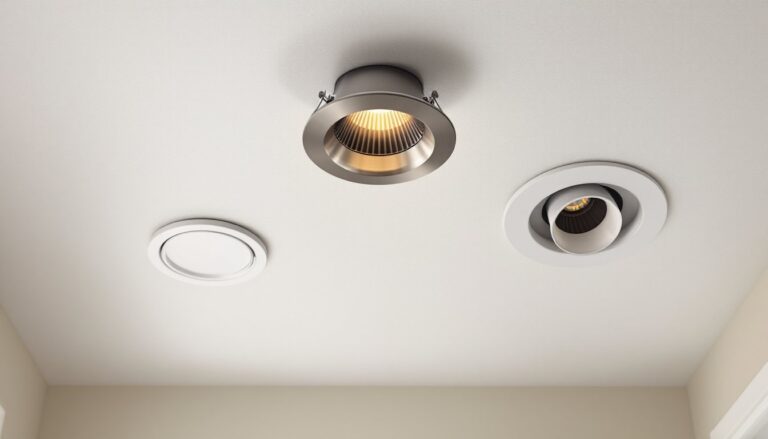
Lighting for beginners can feel overwhelming at first. Walk into any home improvement store and you’ll find aisles of bulbs, fixtures, and options that make zero sense without context. But here’s the good news: lighting isn’t complicated once you understand a few core principles.
Good lighting transforms a room. It affects mood, productivity, and even how colors appear on walls and furniture. Bad lighting? It makes spaces feel cold, cramped, or just… off. The difference between a room that feels inviting and one that feels like a dentist’s office often comes down to how light is used.
This guide breaks down everything beginners need to know about lighting. From the three main types of light to common mistakes that ruin otherwise great rooms, these fundamentals will help anyone create better-lit spaces.
Table of Contents
ToggleKey Takeaways
- Lighting for beginners starts with understanding the three main types: ambient (general), task (focused), and accent (decorative) lighting.
- LED bulbs are the best choice for most applications—they use 75% less energy and last 25 times longer than incandescent bulbs.
- Color temperature matters: use warm light (2700K-3000K) for living spaces and cooler light (5000K-6500K) for workspaces.
- Layer your lighting by placing light sources at different heights throughout a room to avoid flat, uninspired spaces.
- Avoid the most common beginner mistake: relying on a single overhead light instead of combining multiple light sources.
- Install dimmer switches for flexibility—they allow you to adjust brightness based on time of day and activity.
Understanding the Three Types of Lighting
Every well-lit room uses three types of lighting: ambient, task, and accent. Understanding these categories is the first step in lighting for beginners.
Ambient Lighting
Ambient lighting provides general illumination for a space. Think of it as the base layer, the light that fills the room when you flip the main switch. Ceiling fixtures, recessed lights, and chandeliers typically serve this purpose. Ambient lighting should be bright enough to move around safely but not so harsh that it creates glare.
Task Lighting
Task lighting focuses on specific work areas. A desk lamp illuminates paperwork. Under-cabinet lights brighten kitchen counters for food prep. Reading lamps beside chairs or beds provide focused light where it’s needed most. Task lighting prevents eye strain during detailed activities.
Accent Lighting
Accent lighting adds visual interest and highlights specific features. Wall sconces can draw attention to artwork. Track lights might showcase a bookshelf or architectural detail. This type of lighting creates depth and dimension in a room. It’s often three times brighter than ambient light to create contrast and draw the eye.
Most rooms need all three types working together. A living room with only overhead ambient light feels flat and uninspired. Add a floor lamp for reading and some accent lights on a gallery wall, and suddenly the space has character.
Choosing the Right Light Bulbs
Light bulbs matter more than most beginners realize. The wrong bulb can make a beautiful fixture look terrible, or run up electricity bills unnecessarily.
LED vs. Incandescent vs. CFL
LED bulbs dominate the market for good reason. They use 75% less energy than incandescent bulbs and last 25 times longer. The upfront cost is higher, but LEDs save money over time. Incandescent bulbs produce warm, familiar light but burn out quickly and waste energy as heat. CFL bulbs fall somewhere in between but contain small amounts of mercury, making disposal tricky.
For most lighting applications, LEDs are the smart choice.
Understanding Color Temperature
Color temperature measures how warm or cool light appears. It’s measured in Kelvins (K). Lower numbers mean warmer, more yellow light. Higher numbers mean cooler, bluer light.
- 2700K-3000K: Warm white, ideal for living rooms and bedrooms
- 3500K-4000K: Neutral white, good for kitchens and bathrooms
- 5000K-6500K: Daylight, best for offices and workspaces
Mismatched color temperatures in the same room look awkward. Lighting for beginners often goes wrong here, mixing a warm overhead light with cool task lighting creates visual chaos. Pick a consistent temperature for each space.
Lumens and Brightness
Lumens measure actual light output. Watts measure energy use, not brightness. A 10-watt LED might produce the same lumens as a 60-watt incandescent. Check the lumens rating to compare brightness accurately.
General guidelines:
- Living rooms: 1,500-3,000 lumens total
- Kitchens: 3,000-4,000 lumens total
- Bedrooms: 1,000-2,000 lumens total
How to Layer Light in a Room
Layering light means combining ambient, task, and accent lighting strategically. This technique separates amateur lighting from professional-looking results.
Start with ambient lighting as the foundation. This establishes the room’s baseline brightness. A dimmer switch here adds flexibility, full brightness for cleaning, softer light for relaxing.
Next, add task lighting where specific activities happen. Position desk lamps so they don’t create shadows on work surfaces. Place reading lights at the correct height beside seating areas. Kitchen task lighting should illuminate countertops without casting shadows from the person working there.
Finally, layer in accent lighting to create visual interest. Picture lights above artwork, LED strips inside glass cabinets, or uplights behind large plants all serve this purpose. Accent lighting draws attention to what matters in a room.
The key to successful layering? Multiple light sources at different heights. A room with only ceiling lights feels flat. Add floor lamps, table lamps, and wall-mounted fixtures to create variety. Light should come from high, middle, and low positions throughout the space.
Lighting for beginners becomes much easier once this layering concept clicks. Think in terms of layers rather than single fixtures.
Common Lighting Mistakes to Avoid
Even with good intentions, beginners make predictable lighting errors. Avoiding these mistakes produces better results immediately.
Relying on a Single Overhead Light
One ceiling fixture cannot do everything. It creates harsh shadows, leaves corners dark, and makes rooms feel institutional. Always supplement overhead lighting with additional sources at eye level and below.
Ignoring Dimmers
Dimmer switches cost little but add tremendous flexibility. Bright light works for morning routines: softer light suits evening relaxation. Without dimmers, rooms have one setting regardless of time or mood. Installing dimmers during initial setup saves money compared to retrofitting later.
Wrong Bulb Temperature for the Space
Cool, bluish light in a bedroom feels clinical. Warm, yellow light in a home office can feel sleepy. Match color temperature to the room’s function. This single adjustment often transforms how a space feels.
Forgetting About Shadows
Light placement matters as much as light selection. A single light source behind someone at a bathroom mirror throws their face into shadow, exactly where illumination is needed most. Think about where shadows will fall before installing fixtures.
Overlooking Natural Light
Artificial lighting should complement daylight, not compete with it. Heavy curtains blocking windows during the day waste free illumination. Consider how natural light enters each room and position artificial sources to fill gaps rather than duplicate coverage.
Lighting for beginners improves dramatically when these common errors are avoided from the start.