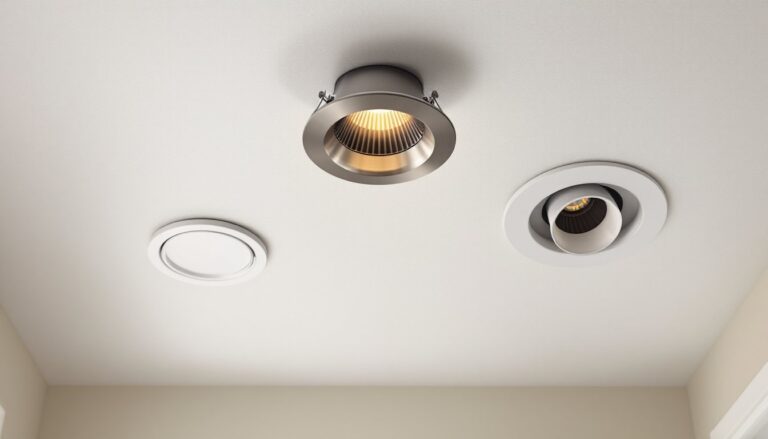
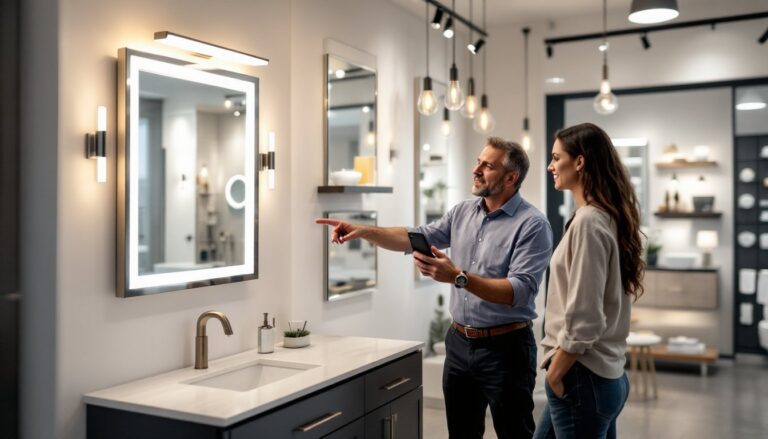
Lighting trends 2026 are shaping how people design their homes and commercial spaces. The industry is moving toward fixtures that blend function with aesthetics, sustainability with style. From nature-inspired designs to advanced smart systems, the coming year promises meaningful shifts in how spaces get illuminated.
This guide breaks down the key lighting trends 2026 will bring. Whether planning a home renovation or updating an office space, these insights will help inform smarter lighting decisions.
Table of Contents
ToggleKey Takeaways
- Lighting trends 2026 emphasize biophilic design, with nature-inspired fixtures made from wood, bamboo, and recycled materials that boost mood and productivity.
- Smart lighting has become affordable and mainstream, with quality bulbs under $10 and seamless integration with voice assistants and home systems.
- Circadian rhythm lighting automatically adjusts color temperature throughout the day, improving sleep quality and daytime alertness.
- Bold sculptural fixtures are replacing modest lighting choices, transforming ordinary rooms into statement spaces and Instagram-worthy focal points.
- Sustainability drives lighting trends 2026, with LEDs now achieving 200 lumens per watt and manufacturers prioritizing recycled materials and modular designs.
- Warm minimalism combines clean fixture silhouettes with cozy 2700K-3000K color temperatures, requiring layered lighting and dimmers for versatile spaces.
The Rise of Biophilic and Nature-Inspired Lighting
Biophilic design continues its strong influence on lighting trends 2026. This approach brings natural elements into built environments, and lighting plays a central role.
Designers are creating fixtures that mimic organic forms. Think pendant lights shaped like leaves, chandeliers that resemble branches, and sconces with flowing water-inspired curves. These pieces do more than illuminate, they connect indoor spaces to the natural world.
Materials matter here too. Expect to see more lighting made from:
- Natural wood and bamboo
- Recycled glass
- Stone and terrazzo
- Rattan and woven fibers
Color temperatures are shifting as well. Warm, sun-like tones dominate this trend. Many fixtures now offer tunable white settings that adjust throughout the day, mimicking natural daylight patterns.
Commercial spaces are adopting this approach aggressively. Offices and retail stores recognize that nature-inspired lighting improves mood and productivity. Studies show employees in biophilic environments report 15% higher well-being scores. That’s a compelling reason to invest in these lighting trends 2026 will highlight.
Smart Lighting Goes Mainstream
Smart lighting has graduated from luxury feature to standard expectation. Among the most impactful lighting trends 2026 will showcase is the democratization of connected illumination.
Prices have dropped significantly. Quality smart bulbs now cost under $10 each, making whole-home systems accessible to average budgets. This price shift is accelerating adoption across all demographics.
Integration capabilities have improved dramatically. The latest smart lighting systems work seamlessly with:
- Voice assistants like Alexa, Google Assistant, and Siri
- Home security systems
- Thermostats and HVAC controls
- Entertainment systems
Circadian rhythm lighting stands out as a major development. These systems automatically adjust color temperature and brightness based on time of day. Morning light leans cool and energizing. Evening light shifts warm and relaxing. Users report better sleep quality and improved daytime alertness.
Commercial applications are expanding rapidly. Restaurants use smart lighting to create different atmospheres for brunch versus dinner service. Retail stores adjust lighting to highlight merchandise effectively. Offices program lighting scenes for meetings, focused work, and collaboration.
The lighting trends 2026 brings will make smart features feel invisible. Users won’t think about the technology, they’ll simply enjoy spaces that respond to their needs.
Sculptural and Statement Fixtures Take Center Stage
Lighting has become art. Bold, sculptural fixtures represent one of the most visually striking lighting trends 2026 will deliver.
Designers are treating fixtures as focal points rather than afterthoughts. Large-scale pendants dominate living rooms. Geometric chandeliers anchor dining spaces. Even bathrooms feature artistic sconces that command attention.
Popular sculptural styles include:
- Oversized orbs and globes – Single dramatic spheres or clustered arrangements
- Asymmetrical compositions – Fixtures that break traditional symmetry rules
- Mixed material combinations – Metal paired with glass, wood with concrete
- Kinetic designs – Pieces with moveable elements that create changing light patterns
The “go big” mentality defines this trend. Where homeowners once chose modest fixtures, they now select pieces that make statements. A single dramatic light can transform an ordinary room into something memorable.
Commercial spaces embrace this approach for branding purposes. Hotels, restaurants, and boutiques use signature lighting to create Instagram-worthy moments. These fixtures become talking points and photo backdrops.
Artisan and handcrafted pieces are particularly valued within lighting trends 2026. Mass-produced options exist, but custom and small-batch fixtures carry special appeal. Buyers want stories behind their lighting choices.
Sustainable and Energy-Efficient Solutions
Sustainability drives major lighting trends 2026 will bring forward. Consumers and businesses alike demand environmentally responsible options.
LED technology continues advancing. Current LEDs use 75% less energy than incandescent bulbs and last 25 times longer. But the latest generations push efficiency even further. Some new models achieve 200 lumens per watt, double what was standard just five years ago.
Manufacturers are rethinking materials and processes:
- Recycled metals and plastics reduce virgin material demand
- Low-VOC finishes improve indoor air quality
- Modular designs allow component replacement instead of full fixture disposal
- Local manufacturing cuts transportation emissions
Solar-powered lighting expands beyond outdoor applications. Advances in battery storage and solar cell efficiency make indoor solar fixtures practical for certain uses. Skylights with integrated solar-powered LEDs provide backup illumination after sunset.
Circular economy principles influence product design. Companies offer take-back programs for old fixtures. Some lighting trends 2026 highlights will include fixtures designed specifically for easy disassembly and recycling.
Energy codes are tightening globally. California’s Title 24 and similar regulations push lighting efficiency standards higher. Commercial projects must meet strict performance requirements. These rules accelerate innovation and adoption of sustainable lighting trends 2026 prioritizes.
Warm Minimalism and Soft Ambient Designs
Clean lines meet cozy warmth in one of the most appealing lighting trends 2026 will popularize. Warm minimalism strikes a balance between spare aesthetics and inviting atmosphere.
This approach rejects the cold sterility sometimes associated with minimalist design. Instead, it combines:
- Simple, uncluttered fixture silhouettes
- Warm color temperatures (2700K-3000K)
- Natural materials with visible texture
- Soft, diffused light output
Layered lighting becomes essential. Designers recommend combining ambient, task, and accent lighting to create depth. Recessed fixtures provide general illumination. Pendants and table lamps add warmth at eye level. Hidden LED strips highlight architectural features.
Dimmers are non-negotiable within this aesthetic. The ability to adjust intensity transforms spaces from functional daytime environments to relaxed evening retreats. Smart dimmers that remember preferred settings add convenience.
Organic shapes soften the minimalist edge. Curves replace sharp angles. Fixtures suggest natural forms without literal interpretation. The effect feels modern yet approachable.
Commercial hospitality spaces have embraced warm minimalism enthusiastically. Hotels and spas use this approach to create calm, welcoming environments. The lighting trends 2026 will see in these spaces influence residential design choices significantly.