Good lighting tips can turn a dull room into a welcoming retreat. Most people underestimate how much lighting affects mood, productivity, and the overall feel of a space. The right setup highlights architectural features, makes tasks easier, and creates atmosphere on demand. Poor lighting? It does the opposite, flat rooms, eye strain, and spaces that just feel “off.”
This guide breaks down the fundamentals of effective lighting design. Readers will learn about the three core lighting types, color temperature choices, layering techniques, and how to make the most of natural light. Common mistakes get covered too, because knowing what to avoid is half the battle.
Table of Contents
ToggleKey Takeaways
- Effective lighting tips combine three essential layers: ambient for general brightness, task for specific activities, and accent for visual interest.
- Keep color temperature consistent within each room—warm light (2700K-3000K) for relaxation spaces, neutral (3500K-4000K) for kitchens and offices, and cool (5000K-6500K) for workspaces.
- Install dimmer switches on every fixture possible to transform a single light source into a versatile tool for any mood or activity.
- Maximize natural light by using mirrors opposite windows, choosing light wall colors, and keeping windows clean to reduce energy costs and improve mood.
- Avoid the most common lighting mistake: relying on a single overhead fixture, which creates harsh shadows and flat illumination.
- Match bulb brightness (lumens) to room size—living rooms typically need 10,000-20,000 lumens, while small bathrooms require 4,000-8,000 lumens.
Understanding the Three Types of Lighting
Every well-lit space uses three types of lighting: ambient, task, and accent. These categories work together to create balance and serve different purposes.
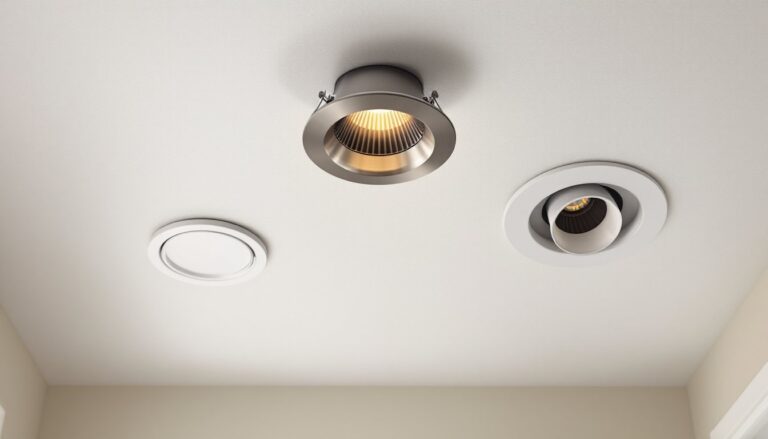
Ambient lighting provides general illumination. Think ceiling fixtures, recessed lights, or chandeliers. This layer sets the baseline brightness for a room. Without it, spaces feel cave-like and unwelcoming.
Task lighting focuses on specific activities. Desk lamps, under-cabinet kitchen lights, and reading lamps fall into this category. These lighting tips matter most for functionality, nobody wants to chop vegetables in dim light or strain their eyes while reading.
Accent lighting adds drama and visual interest. It highlights artwork, architectural details, or decorative objects. Track lights, wall sconces, and uplights serve this purpose well. Accent lighting tips often get overlooked, but they’re what separates a basic room from a professionally designed one.
The key is using all three types in combination. A living room might have recessed ambient lights, a floor lamp for reading, and picture lights above artwork. Each layer serves a distinct function while contributing to the whole.
Choosing the Right Color Temperature
Color temperature determines whether light feels warm or cool. It’s measured in Kelvin (K), and the scale runs from warm yellows to cool blues.
Warm light (2700K-3000K) creates a cozy, relaxed atmosphere. It works best in living rooms, bedrooms, and dining areas. This temperature flatters skin tones and encourages relaxation.
Neutral light (3500K-4000K) strikes a balance between warm and cool. Kitchens, bathrooms, and home offices benefit from this range. It’s bright enough for tasks without feeling clinical.
Cool light (5000K-6500K) mimics daylight. It’s ideal for garages, workshops, and spaces where precision matters. But, cool light in a bedroom can disrupt sleep patterns and feel harsh.
One of the most practical lighting tips: keep color temperature consistent within a room. Mixing warm and cool bulbs creates visual discord that most people find uncomfortable, even if they can’t identify why. Stick with one temperature range per space for a cohesive look.
Smart bulbs offer flexibility here. They allow users to shift between temperatures throughout the day, energizing cool light in the morning, calming warm light at night.
Layering Light for Depth and Function
Layering light means combining multiple sources at different heights and intensities. This technique adds depth, prevents harsh shadows, and gives control over a room’s mood.
Start with ambient lighting as the foundation. Add task lighting where activities happen. Finish with accent lighting to create focal points. Each layer should be controllable independently, dimmers make this possible.
Here’s a practical example: a kitchen might have recessed ceiling lights (ambient), pendant lights over an island (task), and under-cabinet strips (task/accent). At dinner party time, dim the overheads and let the pendants and under-cabinet lights do the work. The result feels intentional and inviting.
These lighting tips apply to any room:
- Living rooms: Combine a central fixture with table lamps, floor lamps, and accent lights
- Bedrooms: Use bedside lamps, overhead lighting, and closet lights separately
- Bathrooms: Pair vanity lights with overhead fixtures and consider nightlights
Dimmers deserve special mention. They’re inexpensive to install and transform how lighting tips translate into daily life. A single fixture becomes versatile, full brightness for cleaning, low light for movie night.
Maximizing Natural Light in Your Space
Natural light improves mood, reduces energy costs, and makes spaces feel larger. Smart use of daylight is one of the most valuable lighting tips available.
Keep windows clear. Heavy curtains and bulky furniture block light. Swap dark drapes for sheer panels or blinds that can fully retract. Position large furniture away from windows.
Use mirrors strategically. A mirror opposite a window bounces light deeper into a room. This trick works especially well in narrow spaces or rooms with limited windows.
Choose light colors for walls and ceilings. White and pale tones reflect natural light. Dark colors absorb it. A room painted charcoal gray will feel significantly darker than one painted soft white, regardless of window size.
Clean windows regularly. Dirty glass can reduce light transmission by 10-20%. It sounds basic, but clean windows make a noticeable difference.
Consider window treatments carefully. Top-down, bottom-up shades offer privacy while letting light enter from above. Plantation shutters allow precise control over light direction.
North-facing rooms present challenges. They receive indirect light throughout the day. In these spaces, supplement natural light with artificial sources that mimic daylight (5000K-6500K) during darker months.
Common Lighting Mistakes to Avoid
Even with solid lighting tips, certain mistakes crop up repeatedly. Avoiding these errors saves money and frustration.
Relying on a single overhead fixture. One central light source creates harsh shadows and flat illumination. It’s the most common lighting mistake in residential spaces. Add supplementary sources at eye level and below.
Ignoring dimmer switches. Fixed-brightness lights force a room into one mode. Dimmers cost little and add tremendous flexibility. Install them on every fixture possible.
Choosing the wrong bulb brightness. Lumens measure brightness, and people often buy bulbs that are too dim for the space. A small bathroom needs 4,000-8,000 lumens total. A living room might need 10,000-20,000 lumens depending on size.
Placing lights at wrong heights. Pendant lights hung too high lose effectiveness. Chandeliers hung too low become obstacles. General rule: dining pendants should hang 30-36 inches above the table surface.
Forgetting about task areas. Reading nooks without reading lights, kitchen counters without under-cabinet lighting, bathroom mirrors without proper illumination, these oversights cause daily annoyance.
Mixing color temperatures unintentionally. That one daylight bulb in a room of warm bulbs? It stands out like a sore thumb. Check Kelvin ratings before buying.