Choosing the best lighting for a home or office can transform any space from dull to dynamic. Good lighting affects mood, productivity, and even how large a room feels. Yet many people overlook this essential design element, settling for whatever fixture came with the house.
This guide covers everything needed to make smart lighting decisions. It explores the different types of lighting, room-by-room recommendations, key features to prioritize, and modern options like smart bulbs and energy-efficient LEDs. Whether someone is renovating an entire home or simply upgrading a single lamp, understanding the basics of quality lighting makes all the difference.
Table of Contents
ToggleKey Takeaways
- The best lighting combines three layers—ambient, task, and accent—to create a flexible and dynamic atmosphere in any room.
- Match color temperature to room function: warm tones (2700K-3000K) for bedrooms and cool tones (4000K-5000K) for kitchens and workspaces.
- Look for a Color Rendering Index (CRI) of 90 or higher to ensure colors appear natural and vibrant in your space.
- LED bulbs use up to 75% less energy than incandescent options and last 25 times longer, making them the best lighting choice for efficiency.
- Smart lighting features like app control, voice commands, and motion sensors add convenience while reducing energy waste.
- Invest in dimmable fixtures with quality construction for long-term durability and versatility throughout the day.
Understanding Different Types of Lighting
Before shopping for the best lighting, it helps to understand the three main categories: ambient, task, and accent lighting. Each serves a distinct purpose, and most rooms benefit from a combination of all three.
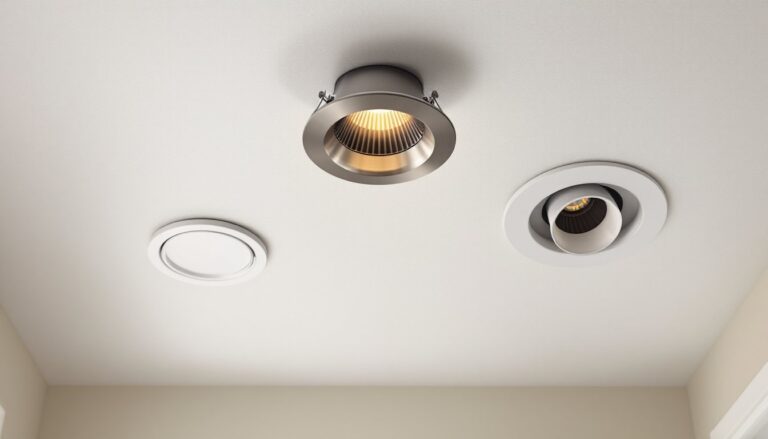
Ambient lighting provides general illumination for a space. Ceiling fixtures, chandeliers, and recessed lights typically fall into this category. Think of ambient lighting as the base layer, it ensures people can move around safely and see the room’s overall layout.
Task lighting focuses light on specific activities. Desk lamps, under-cabinet kitchen lights, and reading lamps are common examples. This type of lighting reduces eye strain during activities like cooking, reading, or working on a computer.
Accent lighting adds drama and visual interest. It highlights artwork, architectural features, or decorative objects. Track lights, wall sconces, and picture lights serve this purpose well. Accent lighting creates depth and draws attention to a room’s best features.
The best lighting plans layer all three types together. A living room might combine a central pendant (ambient), a floor lamp beside the sofa (task), and small spotlights aimed at a gallery wall (accent). This approach gives flexibility and creates a more dynamic atmosphere than relying on a single overhead fixture.
How to Choose the Right Lighting for Each Room
Every room has different lighting needs based on its function and layout. Selecting the best lighting means matching fixtures and bulb types to how people actually use each space.
Living Rooms and Bedrooms
Living rooms serve multiple purposes, relaxing, entertaining, watching TV, and sometimes working. The best lighting strategy here involves dimmers on overhead fixtures and multiple light sources at different heights. A combination of floor lamps, table lamps, and overhead lighting provides options for any activity.
For bedrooms, warm light tones (2700K-3000K color temperature) create a calm, restful environment. Bedside lamps with adjustable brightness work well for reading without disturbing a partner. Avoid harsh overhead lights in sleeping areas: they can disrupt the body’s natural sleep rhythms.
Both rooms benefit from layered lighting that can shift from bright and energizing to soft and relaxed depending on the time of day.
Kitchens and Workspaces
Kitchens demand the best lighting for safety and function. Bright task lighting over countertops, stovetops, and sinks prevents accidents and makes food prep easier. Under-cabinet LED strips have become popular for good reason, they eliminate shadows exactly where people need to see clearly.
Cooler light temperatures (4000K-5000K) work better in kitchens and home offices because they promote alertness. Workspaces should prioritize even, shadow-free illumination. A desk lamp with adjustable positioning helps reduce glare on computer screens.
Pendant lights over kitchen islands add style while providing focused light for eating or conversation. Just ensure they hang at the right height, typically 30 to 36 inches above the counter surface.
Top Features to Look for in Quality Lighting
Not all lighting products are created equal. When shopping for the best lighting, certain features indicate higher quality and better long-term value.
Color Rendering Index (CRI) measures how accurately a light source shows colors compared to natural sunlight. A CRI of 90 or higher is ideal for living spaces where people want furniture, artwork, and skin tones to look their best. Lower CRI ratings can make colors appear washed out or distorted.
Dimmability adds versatility to any fixture. Dimmable lights adjust to different moods and activities throughout the day. Just confirm that both the bulb and the dimmer switch are compatible, not all LEDs work with older dimmer switches.
Lumens indicate brightness, while watts measure energy consumption. Modern LED bulbs produce more lumens per watt than incandescent bulbs. For reference, a 60-watt incandescent bulb produces about 800 lumens. An LED achieving the same brightness uses only 8-10 watts.
Build quality matters for fixtures that get daily use. Metal construction typically outlasts plastic. Look for fixtures with secure mounting hardware and easy bulb replacement access. Cheap fixtures often have flimsy sockets that wear out quickly.
The best lighting investments balance upfront cost with long-term durability and performance.
Energy Efficiency and Smart Lighting Options
Modern lighting technology offers significant advantages in energy savings and convenience. LED bulbs now dominate the market for good reason, they use up to 75% less energy than incandescent bulbs and last 25 times longer.
The best lighting choices today often include smart features. Smart bulbs connect to home WiFi networks and allow control through smartphone apps or voice assistants like Alexa and Google Home. Users can adjust brightness, change color temperature, set schedules, and even sync lights with music or movies.
Smart lighting systems range from simple single-bulb setups to whole-home networks. Popular brands include Philips Hue, LIFX, and Wyze. Entry-level smart bulbs cost around $10-15 each, while more advanced systems with hubs and multiple fixtures run several hundred dollars.
Motion sensors add another layer of efficiency. Lights that turn on automatically when someone enters a room, and off when they leave, eliminate wasted energy from forgotten switches. These work especially well in bathrooms, closets, and garages.
For those concerned about environmental impact, look for ENERGY STAR certified products. This certification ensures the lighting meets strict efficiency guidelines set by the U.S. Environmental Protection Agency. Over time, the best lighting from an efficiency standpoint pays for itself through lower electricity bills.