Lighting transforms how people experience a room. The right fixtures create comfort, improve functionality, and set the mood for any activity. Poor lighting, on the other hand, can make even beautiful spaces feel dull or uncomfortable.
This guide covers the essential types of lighting, how to select the best bulbs, and practical design tips for every room. Readers will also discover energy-efficient lighting solutions that reduce electricity bills without sacrificing style. Whether someone is renovating a home or simply upgrading a few fixtures, understanding lighting fundamentals makes all the difference.
Table of Contents
ToggleKey Takeaways
- Effective lighting design combines three layers—ambient, task, and accent—to create functional, visually appealing spaces.
- LED bulbs use 75% less energy than incandescent options and last up to 25 times longer, making them the smartest lighting investment.
- Choose bulb color temperature based on room function: warm white (2700K–3000K) for relaxation and daylight (5000K–6500K) for productivity.
- Layer your lighting in each room by starting with ambient fixtures, adding task lamps for work areas, and using accent lights to highlight features.
- Smart controls like motion sensors, timers, and dimmable switches reduce energy waste and give you flexible lighting options.
- Maximize natural light with light-colored walls, mirrors, and sheer curtains to reduce electricity costs while brightening your home.
Understanding Different Types of Lighting
Effective lighting design uses three main types: ambient, task, and accent. Each serves a distinct purpose, and the best rooms combine all three for a layered effect.
Ambient Lighting
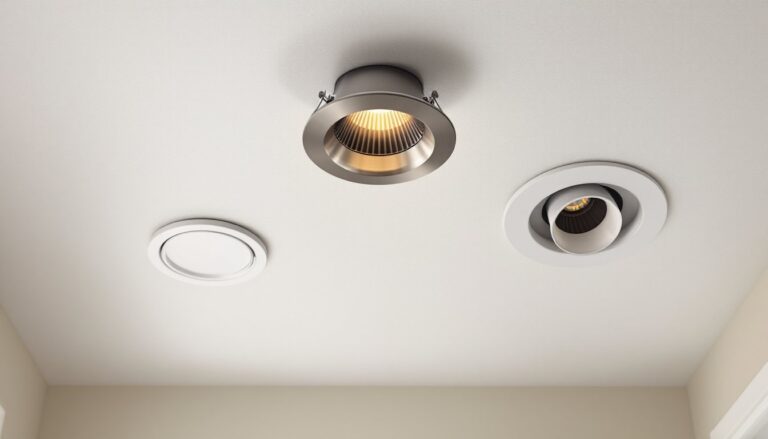
Ambient lighting provides general illumination for a space. It serves as the foundation of any lighting plan. Ceiling-mounted fixtures, chandeliers, recessed lights, and track lighting commonly deliver ambient light.
This type fills a room with consistent brightness. People rely on ambient lighting for basic visibility and safe movement through a space. Most rooms need at least one strong ambient source before adding other layers.
Task Lighting
Task lighting focuses on specific work areas. Desk lamps, under-cabinet kitchen lights, and reading lamps fall into this category. The goal is to provide bright, directed light exactly where someone needs it.
Good task lighting reduces eye strain during activities like cooking, reading, or computer work. It should be bright enough to see clearly without creating harsh shadows or glare.
Accent Lighting
Accent lighting adds visual interest and highlights architectural features or artwork. Wall sconces, picture lights, and track fixtures aimed at specific objects serve this purpose.
This type creates depth and dimension in a room. Accent lighting typically uses three times the brightness of ambient sources on the featured object. It draws attention and adds drama to a space.
How to Choose the Right Light Bulbs
Selecting the correct bulb affects both the quality of lighting and energy costs. Several factors matter when making this decision.
Bulb Types
LED bulbs dominate the market for good reason. They last up to 25 times longer than incandescent bulbs and use 75% less energy. CFLs (compact fluorescent lamps) offer another efficient option, though they contain small amounts of mercury and require careful disposal.
Incandescent bulbs produce warm, familiar light but waste significant energy as heat. Halogen bulbs fall between incandescent and LED in efficiency.
Color Temperature
Color temperature, measured in Kelvin (K), describes whether light appears warm or cool:
- 2700K–3000K: Warm white, ideal for living rooms and bedrooms
- 3500K–4100K: Cool white, good for kitchens and bathrooms
- 5000K–6500K: Daylight, best for offices and task areas
Lumens vs. Watts
Lumens measure brightness, while watts measure energy use. A standard 60-watt incandescent bulb produces about 800 lumens. An LED can match that brightness using only 8–12 watts. Always check lumens when comparing lighting options across different bulb types.
Dimmability
Not all bulbs work with dimmer switches. Check packaging for dimmer compatibility before purchasing. Dimmable lighting offers flexibility to adjust brightness for different activities and moods.
Lighting Design Tips for Every Room
Each room has unique lighting needs based on its function.
Living Room
Living rooms benefit from layered lighting. Start with a central ambient fixture, add table or floor lamps for reading areas, and include accent lighting for artwork or architectural details. Dimmer switches allow adjustment from bright entertaining mode to relaxed evening settings.
Kitchen
Kitchens demand strong task lighting over work surfaces. Under-cabinet lights illuminate countertops effectively. Pendant lights above islands provide both task and decorative lighting. Recessed fixtures offer even ambient coverage without taking visual space.
Bedroom
Bedrooms need soft, warm lighting for relaxation. Bedside lamps with dimmable bulbs give control for reading without disturbing a partner. Avoid harsh overhead lighting, instead, use cove lighting or wall sconces for gentle ambiance.
Bathroom
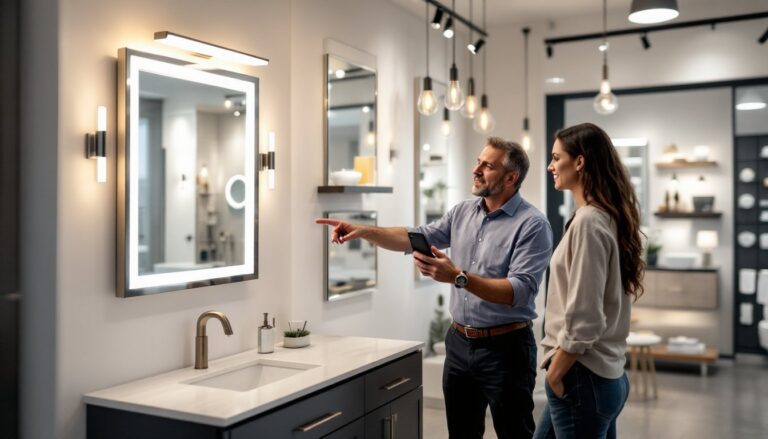
Bathroom lighting requires careful placement. Side-mounted sconces beside mirrors eliminate shadows on the face better than overhead lights. Bright task lighting near the vanity helps with grooming. Consider moisture-rated fixtures for areas near showers.
Home Office
Home offices need adequate task lighting to reduce eye fatigue during screen work. Position desk lamps to avoid glare on monitors. Natural light from windows supplements artificial sources and boosts productivity.
Energy-Efficient Lighting Solutions
Reducing energy consumption through better lighting saves money and benefits the environment.
Switch to LEDs
LED technology offers the simplest path to efficiency. Replacing all incandescent bulbs with LEDs can cut lighting electricity use by 75%. Though LEDs cost more upfront, they pay for themselves within months through lower energy bills.
Use Smart Controls
Smart lighting systems allow scheduling, remote control, and automation. Motion sensors turn lights off in unoccupied rooms. Timers ensure outdoor lighting operates only when needed. These controls eliminate waste from forgotten lights.
Maximize Natural Light
Using daylight reduces dependence on artificial lighting. Light-colored walls and mirrors reflect natural light deeper into rooms. Sheer curtains admit sunlight while maintaining privacy. Skylights and solar tubes bring light into interior spaces.
Consider Lighting Zones
Separating circuits by zones lets occupants light only the areas they use. Rather than illuminating an entire room, zone lighting provides control over specific sections. This approach works especially well in open-concept homes.
Choose ENERGY STAR Products
ENERGY STAR certified fixtures and bulbs meet strict efficiency standards set by the EPA. They use less energy, produce less heat, and often last longer than non-certified alternatives.