Good lighting ideas can change how a room looks, feels, and functions. The right fixtures and placement create mood, highlight design elements, and improve daily tasks. Whether someone wants a cozy living room or a productive home office, lighting choices matter more than most people realize.
This guide covers practical lighting ideas for every style and budget. From layering techniques to smart technology, these strategies help homeowners and renters get the most from their spaces. The goal is simple: better light, better living.
Table of Contents
ToggleKey Takeaways
- Layer ambient, task, and accent lighting using a 3:2:1 ratio to create depth and flexibility in any room.
- Statement fixtures like sculptural pendants or vintage chandeliers can define a room’s personality without requiring a large budget.
- Maximize free natural light by using sheer window treatments, strategically placed mirrors, and light-colored paint.
- Smart lighting ideas offer convenience through app control, automation, and color temperature adjustments that support better sleep.
- LED strip lights, uplighting, and cove lighting are affordable accent techniques that add drama and warmth to ordinary spaces.
- Dimmer switches give you control over each lighting layer, allowing adjustments based on time of day or activity.
Layering Light for a Balanced Atmosphere
One of the most effective lighting ideas involves layering three types of light: ambient, task, and accent. Each serves a different purpose, and combining them creates depth and flexibility in any room.
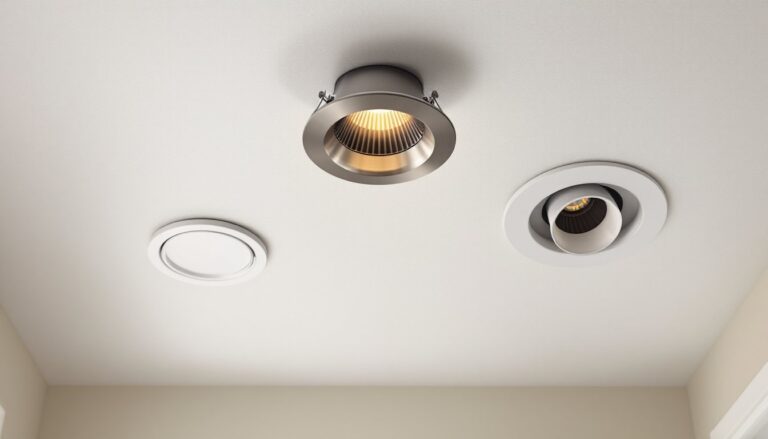
Ambient lighting provides overall illumination. Think ceiling fixtures, recessed lights, or chandeliers. This layer sets the baseline brightness for a space.
Task lighting focuses on specific activities. Desk lamps, under-cabinet lights in kitchens, and reading lamps fall into this category. They prevent eye strain and make work easier.
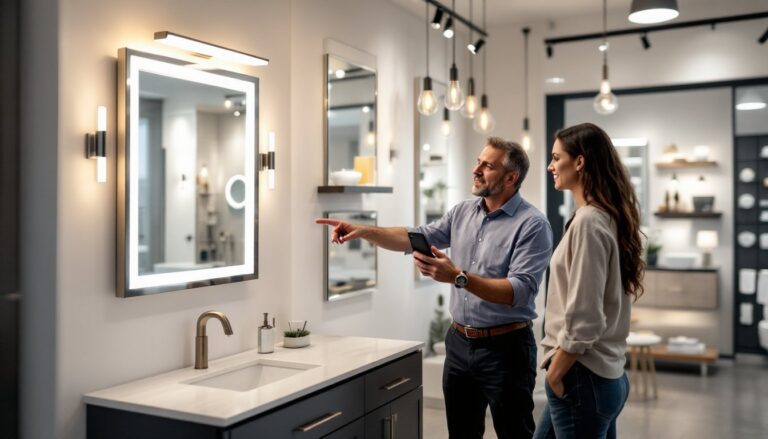
Accent lighting adds visual interest. Wall sconces, picture lights, and LED strips highlight artwork, architectural features, or decor pieces.
The key is balance. A room with only overhead lighting feels flat and uninviting. Add a floor lamp beside a chair and some accent lights near a bookshelf, and suddenly the space has character. Dimmer switches help too, they let people adjust each layer based on time of day or activity.
Professional designers often suggest a 3:2:1 ratio when planning lighting ideas. That means three sources of ambient light, two task lights, and one accent feature per room. It’s a starting point, not a rule, but it works well for most spaces.
Statement Fixtures That Make an Impact
Sometimes the best lighting ideas involve a single bold choice. Statement fixtures grab attention and define a room’s personality.
A sculptural pendant over a dining table becomes the focal point of dinner parties. An oversized floor lamp in a corner draws the eye and anchors the seating area. Even a unique vintage chandelier in a bathroom makes guests stop and notice.
When selecting a statement piece, scale matters. A tiny pendant in a large room disappears. An enormous chandelier in a small entryway overwhelms everything else. Measure the space first. For dining tables, designers recommend fixtures that span about one-half to two-thirds the table’s width.
Style should connect to the room’s overall design. A mid-century brass fixture works in modern and retro spaces. Industrial pipe lights suit loft-style apartments. Crystal chandeliers add elegance to traditional rooms.
Statement lighting ideas don’t require huge budgets either. Thrift stores, estate sales, and online marketplaces often have interesting vintage pieces. A fresh coat of spray paint can update an outdated fixture. The point is choosing something with personality rather than settling for generic options.
Natural Light and How to Maximize It
Natural light remains one of the most valuable lighting ideas available, and it’s free. Sunlight improves mood, saves energy, and makes colors appear more accurate.
Maximizing natural light starts with window treatments. Heavy curtains block brightness. Sheer panels or blinds that open fully let more light enter. For privacy concerns, frosted window film offers a middle ground.
Mirrors amplify natural light effectively. Placing a large mirror opposite a window bounces sunlight deeper into the room. Mirrored furniture and metallic accents create similar effects on a smaller scale.
Paint colors affect perceived brightness too. White and light neutral walls reflect more light than dark shades. Glossy finishes bounce light better than matte, though some people prefer the softer look of eggshell.
Furniture placement also matters. Tall bookcases or bulky sofas positioned near windows block incoming light. Keeping the path from window to room interior clear allows sunlight to travel further.
For rooms with limited windows, skylights or solar tubes offer solutions. Solar tubes are less expensive than full skylights and work well in hallways, bathrooms, and closets where natural light typically doesn’t reach.
Smart Lighting for Modern Convenience
Smart lighting ideas have moved from novelty to practical necessity for many households. These systems offer control, efficiency, and customization that traditional fixtures can’t match.
Smart bulbs connect to WiFi or Bluetooth, allowing control through phone apps or voice assistants. Users can adjust brightness, change colors, and set schedules without leaving the couch. Brands like Philips Hue, LIFX, and Wyze offer options at various price points.
Automation creates convenience. Lights can turn on at sunset, dim gradually before bedtime, or activate when someone enters a room. Motion sensors in hallways and bathrooms reduce wasted energy.
Color temperature adjustments support better sleep. Warm tones (around 2700K) in the evening help the body prepare for rest. Cooler, bluer light (5000K+) increases alertness during work hours. Smart systems can shift between these automatically throughout the day.
Integration with other smart home devices adds more possibilities. Lights can flash when the doorbell rings, sync with movies or music, or change color based on weather forecasts.
For those hesitant about full smart home systems, smart plugs offer a simpler entry point. They turn any lamp into a smart device without replacing bulbs or fixtures.
Creative Accent Lighting Techniques
Accent lighting ideas add drama, warmth, and visual interest to otherwise ordinary spaces. These techniques work in any room and often cost less than major fixture upgrades.
LED strip lights have become popular for good reason. They’re affordable, easy to install, and incredibly versatile. Place them under kitchen cabinets, behind TV units, beneath floating shelves, or along stair treads. Warm white strips create a cozy glow. RGB versions allow color changes for different moods.
Uplighting involves placing lights on the floor aimed upward. This technique highlights plants, sculptures, or textured walls. Battery-powered LED puck lights make temporary uplighting easy.
Cove lighting hides fixtures in architectural features like crown molding or ceiling recesses. The light bounces off surfaces, creating soft, indirect illumination. It’s especially effective in bedrooms and media rooms.
Picture lights and art lights draw attention to specific pieces. Museums use this approach, and it works just as well in homes. Small adjustable fixtures above frames or track lighting aimed at a gallery wall both achieve this effect.
Candles and string lights shouldn’t be dismissed either. They provide instant atmosphere for minimal cost. Battery-operated candles offer the look without fire hazards. String lights work beyond holiday decor, drape them along a headboard, around a mirror, or across a patio ceiling.