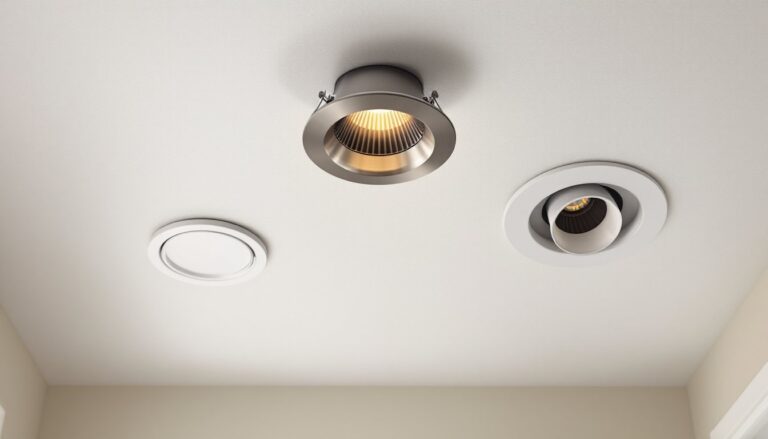
A solid lighting guide can transform any home from dull to stunning. Good lighting affects mood, productivity, and how spaces look and feel. Yet most homeowners get it wrong, they rely on a single overhead fixture and call it a day.
This article breaks down the three main types of lighting, explains what works best in each room, and shares practical tips for layering light. It also covers the mistakes that make rooms feel flat or uncomfortable. Whether someone is building a new home or updating an existing space, the right lighting choices make all the difference.
Table of Contents
ToggleKey Takeaways
- A complete lighting guide relies on three essential layers: ambient lighting for overall illumination, task lighting for specific activities, and accent lighting for visual interest.
- Layer three to five light sources at varying heights in each room to create dynamic, well-balanced lighting.
- Install dimmer switches throughout your home to adjust brightness for different activities and save energy.
- Match bulb color temperature to room function—warm tones (2700K-3000K) for bedrooms and living areas, cooler tones (3500K-5000K) for kitchens and workspaces.
- Avoid the common mistake of relying on a single overhead fixture, which creates flat lighting and unflattering shadows.
- Position task lighting in front of or above work surfaces to prevent casting shadows on countertops and vanity areas.
Understanding the Three Types of Lighting
Every effective lighting guide starts with the basics: ambient, task, and accent lighting. These three categories form the foundation of any well-lit room.
Ambient Lighting
Ambient lighting provides overall illumination for a space. It’s the base layer that allows people to move around safely and see the room as a whole. Common sources include ceiling fixtures, recessed lights, chandeliers, and natural light from windows.
Think of ambient lighting as the “general” light in a room. Without it, spaces feel dark and uninviting. Most rooms need between 20 and 40 lumens per square foot for comfortable ambient lighting.
Task Lighting
Task lighting focuses on specific work areas. It helps people read, cook, apply makeup, or complete other activities that require concentrated light. Desk lamps, under-cabinet kitchen lights, and vanity lights fall into this category.
Task lighting should be bright enough to prevent eye strain but not so harsh that it creates glare. Position these fixtures close to the work surface for best results.
Accent Lighting
Accent lighting adds drama and visual interest. It highlights artwork, architectural features, or decorative elements. Track lights, wall sconces, and picture lights serve this purpose well.
Accent lighting typically needs to be about three times brighter than the ambient light around it. This contrast draws the eye and creates focal points within a room.
Choosing the Right Lighting for Each Room
Different rooms have different lighting needs. A lighting guide wouldn’t be complete without room-by-room recommendations.
Living Room
Living rooms serve multiple purposes, entertaining, relaxing, watching TV, and reading. They need flexible lighting options. A central ceiling fixture or recessed lights provide ambient light. Floor lamps and table lamps add task lighting for reading. Wall sconces or track lights can accent art or architectural details.
Dimmers work especially well in living rooms. They let residents adjust brightness based on the activity and time of day.
Kitchen
Kitchens demand strong task lighting. Under-cabinet lights illuminate countertops for food prep. Pendant lights over islands provide both task and ambient light. Recessed ceiling fixtures offer general illumination.
A common lighting guide tip: avoid placing a single fixture directly behind someone working at the counter. This creates shadows on the work surface. Instead, position lights in front of or over work areas.
Bedroom
Bedrooms benefit from soft, calming light. A central fixture or ceiling fan with lights provides ambient illumination. Bedside lamps offer task lighting for reading. Accent lighting behind a headboard or in a tray ceiling adds atmosphere.
Avoid harsh overhead lights in bedrooms. Warm-toned bulbs (2700K to 3000K) create a relaxing environment.
Bathroom
Bathrooms need bright, even lighting, especially around mirrors. Vertical sconces on either side of a vanity mirror eliminate shadows on the face. Overhead recessed lights provide general illumination. A separate light in the shower area improves safety.
Bathroom lighting should have a color rendering index (CRI) of 90 or higher for accurate color representation.
Tips for Layering Light Effectively
The best lighting guide advice is simple: layer light sources. This means using multiple fixtures at different heights and locations rather than relying on one source.
Start with ambient lighting as the base. Add task lighting where specific activities occur. Finish with accent lighting to create depth and visual interest.
Here are practical tips for layering light:
- Use three to five light sources per room. This creates flexibility and prevents flat, one-dimensional lighting.
- Vary fixture heights. Combine ceiling fixtures with table lamps and floor lamps. This adds visual interest and distributes light more evenly.
- Install dimmer switches. Dimmers let residents control brightness for different activities and times of day. They also extend bulb life and save energy.
- Mix light temperatures thoughtfully. Warm light (2700K-3000K) suits living spaces and bedrooms. Cool light (3500K-5000K) works better in kitchens and workspaces.
- Consider natural light. Position furniture and choose window treatments that maximize daylight. Natural light affects how artificial lighting should be planned.
Layering light takes planning, but the results speak for themselves. Rooms feel more dynamic, comfortable, and functional.
Common Lighting Mistakes to Avoid
Even with a good lighting guide, mistakes happen. Here are the most common ones, and how to fix them.
Relying on One Overhead Light
The “builder special”, a single ceiling fixture in the center of a room, creates flat, unflattering light. It casts shadows in corners and leaves work areas poorly lit. The fix? Add lamps, sconces, or additional fixtures at multiple levels.
Ignoring Dimmers
Fixed lighting can’t adapt to different needs. Bright lights that work for cleaning feel harsh during a dinner party. Dimmers solve this problem. They’re inexpensive to install and add tremendous flexibility.
Choosing the Wrong Bulb Color
Cool white bulbs in a bedroom feel clinical. Warm bulbs in a home office can make work harder. This lighting guide recommends matching bulb color temperature to room function.
Placing Lights Behind People
A light fixture behind someone creates shadows on whatever they’re doing. This happens often at bathroom vanities and kitchen counters. Position task lighting in front of or above work surfaces.
Forgetting About Glare
Unshielded bulbs and poorly positioned fixtures create uncomfortable glare. Use frosted bulbs, shades, or diffusers to soften light. Position fixtures so they don’t shine directly into eyes.