Getting soft lighting right in a living room isn’t about buying expensive fixtures or hiring a designer, it’s about understanding how light behaves in the space and making smart choices with placement, bulb temperature, and layering. Harsh overhead lights can make a room feel sterile and unwelcoming, while thoughtful, diffused lighting creates warmth and depth. This guide breaks down the fixtures, bulb types, and techniques that turn a bland living room into a comfortable gathering spot where people actually want to spend time.
Table of Contents
ToggleKey Takeaways
- Soft lighting for living rooms relies on layering ambient, task, and accent sources on separate controls rather than depending on a single overhead fixture.
- Choose bulbs in the 2700K–3000K color temperature range with CRI 90+ to create warm, flattering illumination that mimics natural incandescent light.
- Table lamps, floor lamps, and dimmable ceiling fixtures with frosted shades or diffusers eliminate harsh shadows and reduce eye strain during reading, TV viewing, or socializing.
- Strategic placement around room perimeters and use of uplighting—bouncing light off ceilings rather than directing it downward—makes spaces feel larger and more inviting.
- Dimmable LED bulbs and LED-compatible dimmer switches give homeowners flexibility to shift from bright, functional daytime lighting to warm, relaxed evening ambiance without expensive renovations.
- Task lighting positioned 15–20 inches from reading surfaces and positioned at shoulder height when seated prevents eye strain and improves comfort during extended activities.
Why Soft Lighting Matters in Your Living Room
Soft lighting reduces eye strain and makes a space feel larger by eliminating stark shadows and harsh contrasts. It creates ambient light that fills a room evenly, which is especially important in living rooms where people read, watch TV, or socialize for hours at a time.
From a practical standpoint, soft lighting also gives homeowners flexibility. A well-lit living room with multiple sources on dimmers can shift from bright and functional during the day to warm and relaxed at night. That versatility is harder to achieve with a single overhead fixture blasting light from one direction.
Designers often emphasize the role lighting plays in setting mood, and soft sources, table lamps, sconces, indirect uplighting, do that better than any other element in a room. When done right, the lighting itself becomes invisible: people notice the atmosphere, not the fixtures.
Best Types of Soft Lighting Fixtures for Living Rooms
Choosing the right fixtures is the foundation of soft lighting. Not all lamps and ceiling lights produce the same quality of illumination, and understanding the differences helps avoid common mistakes.
Table Lamps and Floor Lamps
Table lamps and floor lamps are the easiest way to introduce soft lighting without rewiring or cutting into ceilings. They provide task lighting for reading or hobbies while contributing to overall ambient light.
Look for lamps with fabric or frosted glass shades that diffuse the bulb rather than expose it directly. A bare bulb in a metal cage might look industrial, but it won’t create the gentle glow most living rooms need. Torchiere floor lamps that aim light upward bounce illumination off the ceiling, spreading it evenly across the room without glare.
Three-way bulbs in table lamps give control over brightness without installing dimmers. A 50/100/150-watt equivalent LED lets occupants adjust based on time of day or activity. For ideas on positioning these fixtures strategically, many homeowners benefit from exploring practical lighting strategies that balance function and comfort.
Dimmable Ceiling Lights and Recessed Lighting
Dimmable ceiling fixtures and recessed cans offer overhead illumination that can be dialed back when softer light is needed. Standard ceiling lights on a basic switch are either fully on or off, which limits flexibility.
Installing a dimmer switch (compatible with LED bulbs, check the packaging) costs $15–$40 and takes about 20 minutes if the existing box is wired correctly. Make sure the switch matches the bulb type: not all LEDs dim smoothly, and mismatched components can cause flickering or buzzing.
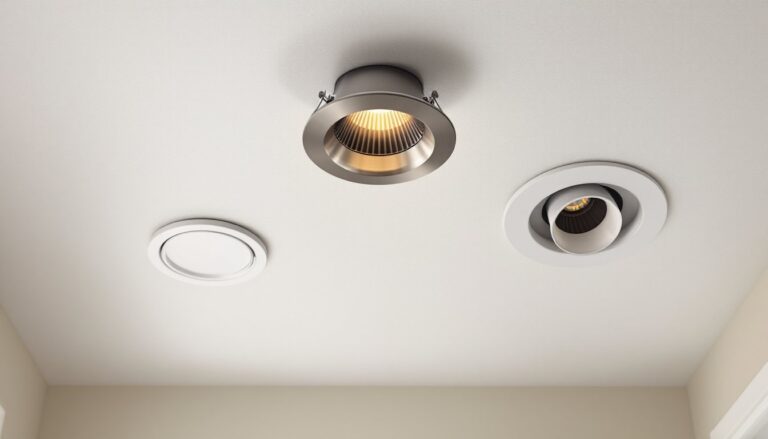
Recessed lighting, sometimes called can lights, works well when paired with frosted trim rings or baffle inserts that reduce harsh downlight. Spacing them 4–6 feet apart in a living room prevents hot spots and dark corners. In rooms with 8-foot ceilings, use 4-inch cans: for 9–10-foot ceilings, 6-inch cans provide better coverage. Keep in mind that cutting into ceilings for new recessed lights may require access from above (attic or crawl space) and could involve insulation contact-rated (IC-rated) housings if insulation is present.
Some jurisdictions require a permit for new electrical work, especially if it involves adding circuits or modifying existing wiring. Check local codes before starting.
How to Layer Soft Lighting for Maximum Impact
Lighting professionals talk about three layers: ambient, task, and accent. A living room that feels inviting uses all three, adjusted to avoid over-lighting or creating dead zones.
Ambient lighting is the base layer, recessed ceiling lights, a central pendant on a dimmer, or a torchiere. This fills the room with general illumination. Aim for enough light to move around safely and see faces clearly, but not so much that it feels like a showroom.
Task lighting focuses on specific activities, reading lamps beside a sofa, a floor lamp near a chair, or a desk lamp if the living room doubles as a workspace. These should be brighter than ambient sources but still use diffused shades to avoid glare.
Accent lighting adds depth and visual interest. Examples include LED strip lights behind a TV (which reduce eye strain by providing contrast), picture lights on artwork, or small uplights in corners that wash the walls. Accent lights are typically the dimmest layer, drawing attention without overwhelming the space.
Using all three layers on separate switches or dimmers gives control. During movie nights, turn off ambient and task lights, leaving only accents. For reading or entertaining, bring up task and ambient sources. Homeowners looking to refine their approach often start with foundational lighting principles that explain these layers in detail.
Choosing the Right Bulbs and Color Temperature
Bulb selection has more impact on softness than most people realize. The color temperature, measured in Kelvin (K), determines whether light feels warm or cool.
For soft, inviting living room light, stick to 2700K–3000K. This range mimics the warm glow of incandescent bulbs and flatters skin tones. Anything above 3500K starts to feel clinical, fine for a garage or laundry room, but too harsh for a space meant for relaxation.
Lumens measure brightness. A typical 60-watt incandescent produces about 800 lumens: for soft ambient lighting, aim for 400–600 lumens per fixture in the living room, then layer multiple sources rather than relying on one bright bulb. Designers from leading interior design resources frequently recommend this layered, lower-lumen approach for residential spaces.
CRI (Color Rendering Index) is another spec worth checking. Bulbs with a CRI of 90 or higher show colors more accurately, which matters when choosing paint, arranging artwork, or just wanting the room to look natural. Cheap LEDs with CRI below 80 can make reds look muddy and whites appear greenish.
LED bulbs labeled “soft white” or “warm white” usually fall in the 2700K–3000K range. Avoid “daylight” or “cool white” bulbs unless the goal is a bright, task-focused space.
Dimmable LEDs are essential for soft lighting setups. Not all LEDs dim well, some flicker or won’t go below 20% brightness. Look for packaging that says “dimmable” and check reviews if using them with older dimmer switches. Upgrading to an LED-compatible dimmer (like a Lutron Diva or Leviton decora) solves most compatibility issues.
Placement Tips for Creating a Cozy Atmosphere
Where fixtures go is just as important as what they are. Poor placement creates uneven lighting, glare, or shadows that make a room feel uncomfortable.
Avoid centering all light sources. A single ceiling fixture in the middle of the room casts light downward, leaving corners dark and creating a flat, uninviting look. Instead, spread sources around the perimeter, floor lamps in corners, table lamps on end tables, sconces on walls. This pulls the eye outward and makes the space feel larger.
Use uplighting to bounce light off ceilings. Torchieres and wall sconces that aim upward diffuse light across the ceiling, which then reflects down gently. This technique, common in professional lighting design, eliminates harsh shadows under eyes and chins that overhead lights create.
Place task lights 15–20 inches from the reading surface. A lamp too far away forces occupants to lean forward, straining eyes and posture. For a sofa with side tables, the bottom of the lampshade should sit roughly at shoulder height when seated.
Avoid lights directly behind seating. Backlighting creates glare on TV screens and makes it hard to see faces. Instead, position lamps to the side or in front of seating areas.
Consider furniture height. Floor lamps should be tall enough that the bulb sits above eye level when standing, usually 58–64 inches from the floor. Table lamps on low coffee tables need shorter bases to keep the light source from shining directly into eyes.
Use corners strategically. Empty corners are ideal for uplighting or tall floor lamps that wash the walls. This creates depth and prevents the “cave effect” where the center of the room is bright but edges disappear into shadow.
If working with multiple lamps, plug them into smart outlets or a single switched power strip to control them all at once. This avoids walking around the room turning individual lamps on and off, which gets old fast.
For rooms with architectural features, beams, built-in shelves, textured walls, add small LED puck lights or strip lights to graze the surface. This adds subtle accent lighting that emphasizes texture without adding overall brightness. Homeowners exploring broader strategies often reference versatile lighting ideas to see how placement transforms different room types.
Safety note: Keep lamp cords out of walkways to prevent tripping. Use cord covers or route them behind furniture. Don’t overload outlets, most household circuits handle 15 amps, and high-wattage halogen lamps (now mostly replaced by LEDs) can trip breakers if multiple fixtures share one circuit.
If installing new electrical boxes for sconces or ceiling fixtures, work may require a permit depending on local codes. In many jurisdictions, adding new circuits or modifying existing ones falls under regulations enforced by the National Electrical Code (NEC). When in doubt, hire a licensed electrician, bad wiring is a fire hazard and won’t pass inspection if the house is sold later.
Soft lighting setups don’t have to be expensive or complicated. Start with a few quality lamps, choose the right bulbs, and layer sources thoughtfully. The result is a living room that feels welcoming from the moment someone walks in, and that’s worth the effort.