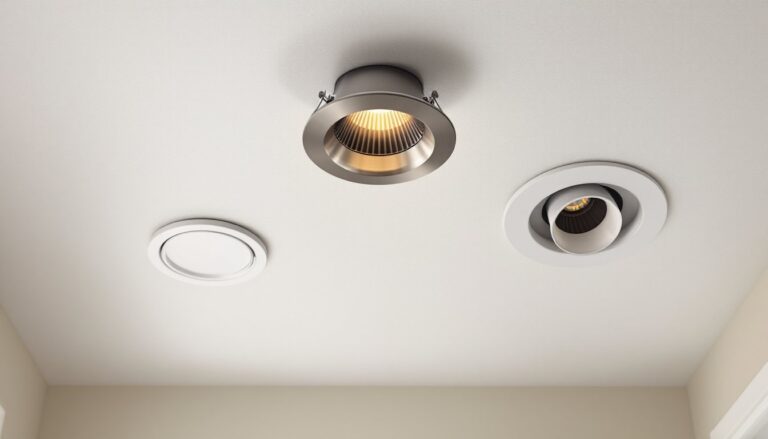
Learning how to lighting a room properly changes everything. Good lighting makes spaces feel larger, warmer, and more inviting. Bad lighting? It creates eyestrain, dark corners, and rooms that never quite feel right.
Most people buy a ceiling fixture, screw in a bulb, and call it done. That approach misses the point entirely. Effective lighting requires a plan, the right fixtures, and an understanding of how different light sources work together.
This guide breaks down the essentials. Readers will learn the three main lighting types, how to create a layout, which fixtures and bulbs to choose, and how to layer light for professional results. The common mistakes section at the end will save time, money, and frustration.
Table of Contents
ToggleKey Takeaways
- Effective room lighting requires three layers: ambient for overall illumination, task for work areas, and accent for visual interest.
- LED bulbs save 75% more energy than incandescent options and last 25 times longer, making them the smart choice for any lighting plan.
- Color temperature matters—use warm white (2700K-3000K) for living spaces and daylight (5000K-6500K) for offices and task areas.
- Always install dimmers to adjust lighting layers independently for different times of day and activities.
- Avoid relying on a single overhead light; multiple sources at different heights eliminate harsh shadows and dark corners.
- Test temporary lamp placements before installing permanent fixtures to identify problems that floor plans miss.
Understanding the Three Types of Lighting
Every well-lit room uses three distinct lighting types. Each serves a specific purpose, and skipping one creates gaps that make spaces feel incomplete.
Ambient Lighting
Ambient lighting provides general illumination for an entire room. Think of it as the base layer, the light that allows people to walk around safely and see the overall space. Ceiling fixtures, recessed lights, and large floor lamps typically handle this job.
Without ambient lighting, rooms feel cave-like. A single task lamp on a desk leaves the rest of the space in shadow. Ambient sources fill those gaps and create a foundation for other lighting layers.
Task Lighting
Task lighting focuses on specific work areas. Reading lamps, under-cabinet kitchen lights, and vanity fixtures fall into this category. The goal is simple: provide enough light to complete a task without straining the eyes.
Placement matters here. A desk lamp should sit opposite the dominant hand to avoid casting shadows on work. Kitchen task lights should illuminate countertops directly, not create glare on surfaces.
Accent Lighting
Accent lighting adds drama and visual interest. It highlights architectural features, artwork, or decorative objects. Track lights aimed at a painting, LED strips beneath shelving, and uplights behind plants all qualify.
This lighting type is optional but transformative. Rooms without accent lighting often feel flat. A few well-placed accent fixtures add depth and draw attention to a space’s best features.
How to Plan Your Lighting Layout
Planning a lighting layout before buying fixtures prevents costly mistakes. A solid plan starts with understanding how to lighting each area based on its function.
Assess the Room’s Purpose
Different rooms need different lighting approaches. A home office requires strong task lighting for the desk area. A bedroom benefits from softer ambient light with reading lamps near the bed. A kitchen needs bright task lighting over prep surfaces and softer ambient light for dining areas.
List every activity that happens in the space. Then identify where each activity takes place. This map becomes the foundation for fixture placement.
Measure and Map
Sketch the room’s dimensions on paper or use a simple app. Mark windows, doors, and existing outlets. Note where furniture will sit.
For recessed lighting, a common formula helps: divide the ceiling height by two to get the spacing distance in feet. An eight-foot ceiling means recessed lights should sit roughly four feet apart.
Consider Natural Light
Windows change everything. South-facing rooms get strong natural light throughout the day. North-facing rooms stay dimmer. The lighting plan should complement natural light, not compete with it.
Install dimmers wherever possible. They allow adjustments as natural light shifts from morning to evening. This flexibility makes the same room work for multiple moods and activities.
Choosing the Right Light Fixtures and Bulbs
Fixtures and bulbs work together to create the desired effect. Understanding how to lighting with the right combination saves energy and produces better results.
Fixture Selection
Match fixtures to their intended purpose. Pendant lights work well over kitchen islands and dining tables. Recessed cans provide clean ambient light without visual clutter. Wall sconces add accent lighting while saving floor space.
Style matters too. A modern room looks odd with ornate chandeliers. A traditional space feels cold with industrial fixtures. Choose pieces that complement the existing design.
Bulb Basics
LED bulbs dominate the market for good reason. They use 75% less energy than incandescent bulbs and last 25 times longer. The upfront cost pays off within months.
Two specifications matter most: lumens and color temperature. Lumens measure brightness, more lumens mean more light. Color temperature, measured in Kelvin, describes the light’s warmth or coolness.
- 2700K-3000K: Warm white, ideal for living rooms and bedrooms
- 3500K-4000K: Neutral white, suitable for kitchens and bathrooms
- 5000K-6500K: Daylight, best for offices and task areas
Smart Lighting Options
Smart bulbs and fixtures add convenience and control. They connect to phones or voice assistants, allowing users to adjust brightness and color temperature without touching a switch. Some systems automate lighting based on time of day or occupancy.
The initial investment is higher, but smart lighting offers significant long-term benefits for energy savings and customization.
Layering Light for the Best Results
Professional designers layer light to create depth and flexibility. Learning how to lighting with multiple layers transforms ordinary rooms into comfortable, functional spaces.
Start with Ambient
Install the ambient layer first. This provides the room’s baseline illumination. Recessed lights, central fixtures, or a combination of both typically handle this role.
Aim for even coverage without harsh shadows. The ambient layer should make the entire room visible, even if some areas need additional light later.
Add Task Lighting
Once ambient lighting is in place, address specific work areas. Reading nooks need lamps. Kitchen counters need under-cabinet lights. Desks need focused illumination.
Task lighting should be brighter than ambient lighting in its target area. This contrast helps the eyes focus and reduces fatigue during detailed work.
Finish with Accents
Accent lighting comes last. Survey the room and identify features worth highlighting. Artwork, plants, architectural details, and decorative collections all make good targets.
Accent lights should be roughly three times brighter than ambient lighting on their subject. This ratio creates enough contrast to draw the eye without overwhelming the space.
Use Dimmers Everywhere
Dimmers tie the layers together. They allow each layer to adjust independently, creating countless combinations for different times and activities. Morning coffee might need bright ambient light. Evening relaxation calls for dimmed ambient with accent lighting only.
Most modern LED bulbs work with standard dimmers, but check compatibility before purchasing.
Common Lighting Mistakes to Avoid
Even people who understand how to lighting basics make predictable errors. Avoiding these mistakes saves money and produces better results.
Relying on a Single Overhead Light
One ceiling fixture cannot do everything. It creates harsh shadows, leaves corners dark, and offers no flexibility. Every room needs multiple light sources at different heights and positions.
Ignoring Color Temperature
Mixing bulbs with different color temperatures creates visual chaos. A warm reading lamp next to a cool overhead fixture makes the room feel disjointed. Choose one temperature range and stick with it throughout each space.
Forgetting Scale
A tiny chandelier in a large dining room looks lost. An oversized pendant in a small bathroom feels oppressive. Measure fixtures against room dimensions before purchasing.
For dining chandeliers, a common rule suggests the fixture diameter (in inches) should equal the room’s length plus width (in feet). A 12×14-foot room calls for roughly a 26-inch chandelier.
Skipping Dimmers
Installing dimmers costs only slightly more than standard switches. Skipping them eliminates flexibility and forces rooms into single-mode operation. Always include dimmers in any lighting plan.
Placing Lights Without Testing
Before committing to permanent fixture locations, test with temporary lamps. Move them around. Try different heights and angles. Live with the setup for a few days. This trial period reveals problems that floor plans miss.