Top lighting shapes how people see spaces, subjects, and products. This overhead illumination technique places light sources directly above a subject to create distinct visual effects. Photographers, filmmakers, interior designers, and retail specialists use top lighting daily to achieve specific goals.
This guide explains what top lighting is, why it works, and how to use it effectively. Readers will learn practical setup methods and discover ways to avoid common mistakes. Whether someone designs a studio space or plans a home renovation, understanding top lighting opens new creative possibilities.
Table of Contents
ToggleKey Takeaways
- Top lighting positions light sources directly above a subject to create distinct highlights and shadows, making it essential for photography, film, interior design, and retail.
- Adjusting the light angle between 70 and 90 degrees helps control shadow intensity and avoids unflattering “raccoon eyes” on human subjects.
- Top lighting offers space efficiency by eliminating bulky floor stands, making it ideal for compact studios and minimalist interiors.
- Use diffusion panels, fill lights, or reflectors to soften harsh shadows created by overhead sources.
- Position top lighting 3 to 6 feet above the subject for optimal balance between shadow softness and brightness.
- Multiple distributed overhead sources create overlapping illumination that naturally fills shadows for a more professional result.
What Is Top Lighting?
Top lighting refers to any light source positioned directly above a subject. The light travels downward, hitting the top surfaces first. This creates a specific pattern of highlights and shadows that differs from front, side, or back lighting.
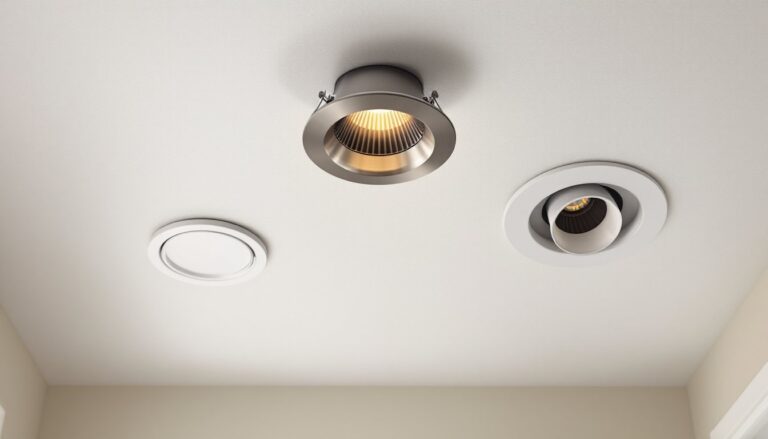
In photography and film, top lighting often comes from softboxes, spotlights, or diffused panels mounted overhead. In architecture and interior design, recessed ceiling fixtures, pendant lights, and skylights serve as top lighting sources.
The angle matters significantly. True top lighting sits at roughly 90 degrees to the floor. But, many practitioners adjust this angle slightly, between 70 and 90 degrees, to modify shadow intensity. A steeper angle produces harder shadows under facial features, while a gentler angle softens those effects.
Top lighting creates what photographers call “raccoon eyes” when used on faces without modification. The eye sockets fall into shadow, and the nose casts a distinct shadow downward. This effect works well for dramatic portraits but requires careful handling for flattering everyday photography.
Natural top lighting occurs at midday when the sun sits highest in the sky. This explains why outdoor photographers often avoid shooting at noon, the harsh overhead sun creates unflattering shadows on human subjects.
Benefits of Using Top Lighting
Top lighting offers several advantages that make it valuable across industries.
Even Coverage for Flat Subjects
Products, artwork, and flat surfaces benefit from top lighting because it illuminates them uniformly. Museums use overhead lighting to display paintings without glare or uneven brightness. Retail stores light merchandise from above to show true colors and textures.
Space Efficiency
Overhead fixtures free up floor and wall space. In small studios or rooms, top lighting eliminates the need for bulky light stands. This makes it ideal for compact photography setups and minimalist interior designs.
Dramatic Effect Creation
Filmmakers and photographers use top lighting to establish mood. Film noir classics relied heavily on overhead sources to create mystery and tension. The technique draws attention to specific areas while letting others fall into shadow.
Natural Feel
Humans experience most natural light from above, the sun and sky. Top lighting mimics this pattern, making illuminated spaces feel intuitive and comfortable. Interior designers use this principle to create welcoming environments.
Reduced Glare on Screens
Offices and workspaces benefit from top lighting because it minimizes glare on computer monitors and desks. Properly positioned overhead fixtures keep reflections off glossy surfaces.
Common Applications for Top Lighting
Top lighting appears across many fields, each using the technique for specific purposes.
Portrait and Fashion Photography
Photographers use top lighting to sculpt facial features and create editorial looks. Fashion shoots often employ large overhead softboxes to produce even, flattering light on models and clothing. The technique highlights cheekbones and creates defined jawlines.
Product Photography
E-commerce and advertising depend on top lighting to showcase merchandise accurately. Jewelry, electronics, and cosmetics benefit particularly well. The overhead position reduces reflections while revealing surface details and textures.
Film and Video Production
Cinematographers use top lighting for specific narrative purposes. Horror films position overhead sources to create unsettling shadows. Interview setups often include top lighting as part of a three-point system.
Retail Environments
Stores use ceiling-mounted fixtures to highlight products and guide customer attention. Track lighting and recessed downlights create focal points on displays. Grocery stores light produce sections from above to make fruits and vegetables appear fresh.
Residential Spaces
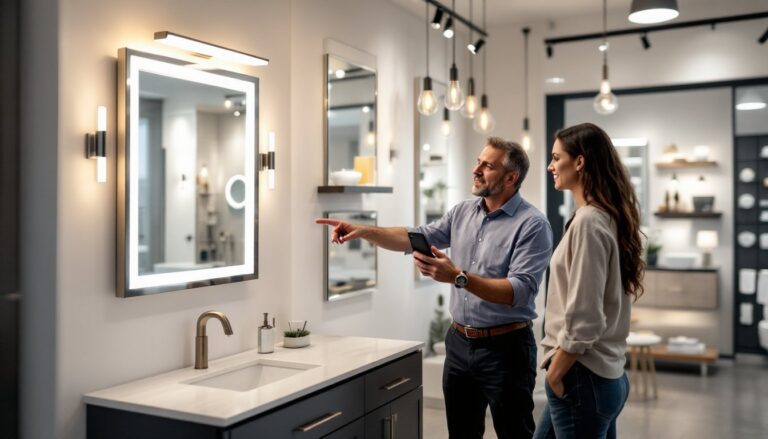
Homeowners install pendant lights, chandeliers, and recessed fixtures for both function and aesthetics. Kitchen islands, dining tables, and bathroom vanities commonly feature top lighting. The placement provides task lighting while contributing to overall room ambiance.
Art Galleries and Museums
Cultural institutions rely on precise top lighting to protect and display artwork. Overhead sources prevent visitors from casting shadows on pieces. Adjustable track systems allow curators to focus light exactly where needed.
How to Set Up Effective Top Lighting
Setting up top lighting requires attention to height, angle, and light quality. These factors determine whether the final result looks professional or amateur.
Choose the Right Height
The distance between the light source and subject affects both intensity and shadow softness. Closer lights create harder shadows and brighter highlights. Moving the source higher softens shadows but reduces overall brightness. Most setups work best with the light positioned 3 to 6 feet above the subject.
Select Appropriate Fixtures
Softboxes and diffused panels produce gentle, even top lighting. Spotlights and bare bulbs create dramatic, high-contrast effects. The choice depends on the desired outcome. Product photography typically calls for soft sources, while theatrical applications might use harder lights.
Control the Spread
Grids, barn doors, and snoots limit where light falls. These modifiers prevent top lighting from spilling onto backgrounds or unwanted areas. They also increase contrast by restricting the illuminated zone.
Consider Color Temperature
Top lighting should match other sources in the environment. Mixing warm tungsten overhead lights with cool daylight from windows creates color casts that look unnatural. LED fixtures with adjustable color temperature offer flexibility for different situations.
Tips for Avoiding Harsh Shadows
Harsh shadows represent the biggest challenge with top lighting. Several techniques help minimize this problem.
Adding fill light from below or the sides counteracts strong overhead shadows. Reflectors bounce some of the top light back into shadowed areas. White foam boards work well for this purpose and cost very little.
Diffusion softens the light source itself. Placing translucent material between the fixture and subject spreads light rays and reduces shadow edge definition. Photography stores sell diffusion panels, but even a white bedsheet can work in a pinch.
Multiple overhead sources distributed across a wider area create overlapping illumination. Where one light casts a shadow, another fills it. Studios often use two or three top lights instead of one powerful source.
Finally, adjusting the angle slightly, from 90 degrees to 70 or 75 degrees, often solves shadow problems without sacrificing the essential top lighting character. This small change brings light into eye sockets and reduces nose shadows on human subjects.