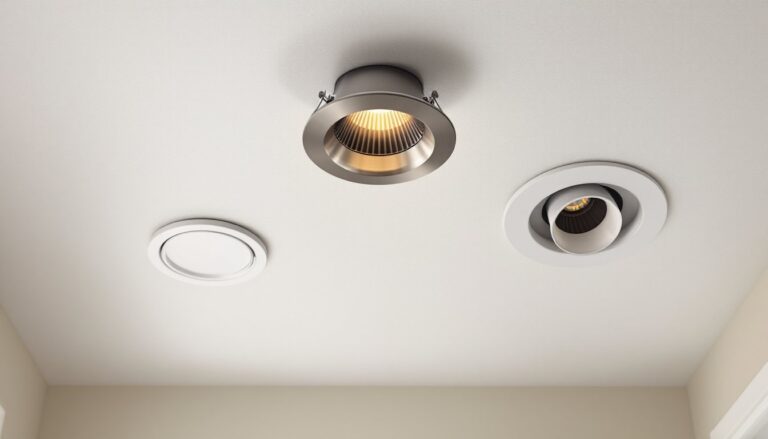
Lighting vs illumination, these two terms often get used interchangeably, but they don’t mean the same thing. Understanding the difference matters for designers, photographers, architects, and anyone who works with light professionally. Lighting refers to the equipment and techniques used to produce light. Illumination describes the result, how much light actually reaches a surface. This distinction affects how professionals plan projects, measure outcomes, and communicate with clients. Let’s break down what each term means and when to use them correctly.
Table of Contents
ToggleKey Takeaways
- Lighting refers to the equipment and techniques used to produce light, while illumination describes the measurable amount of light that reaches a surface.
- Understanding lighting vs illumination helps professionals communicate clearly and plan projects with precision.
- Lighting is expressed in qualitative terms (soft, warm, harsh), whereas illumination is measured in numerical units like lux or foot-candles.
- Use “lighting” when discussing equipment, artistic choices, or mood—use “illumination” for technical specifications and code compliance.
- Professionals in interior design, photography, and architecture must balance creative lighting decisions with functional illumination requirements.
What Is Lighting?
Lighting refers to the deliberate use of light sources to achieve specific effects. It includes the fixtures, bulbs, and systems that generate light. Think of lighting as the action, what someone does to create light in a space.
In practical terms, lighting encompasses:
- Light fixtures: Lamps, chandeliers, recessed lights, and track lighting
- Light sources: LEDs, incandescent bulbs, fluorescent tubes, and natural sunlight
- Control systems: Dimmers, switches, and smart home automation
- Techniques: Three-point lighting in film, ambient lighting in homes, task lighting in offices
Lighting design is a profession that focuses on selecting and positioning these elements. A lighting designer decides where to place fixtures, what color temperature to use, and how to control intensity. The goal is to shape how light behaves in a given environment.
The term also carries artistic weight. In photography and film, lighting refers to how a cinematographer or photographer arranges their light sources to create mood, depth, and visual interest. Good lighting can make a subject look dramatic, flattering, or mysterious. Poor lighting can ruin an otherwise excellent shot.
Lighting is always an active process. It requires decisions about equipment, placement, and intensity. Someone must choose the lighting approach before illumination can happen.
What Is Illumination?
Illumination describes the amount of light that falls on a surface. It’s a measurable quantity, expressed in units called lux (metric) or foot-candles (imperial). While lighting is about the source, illumination is about the destination.
Here’s a simple way to think about it: lighting is the cause, and illumination is the effect.
When engineers and architects discuss illumination, they’re talking about numbers. How many lux does a workspace need? What illumination level is safe for a parking garage? These questions have specific answers based on standards and codes.
Common illumination requirements include:
| Space Type | Recommended Illumination (Lux) |
|---|---|
| Office workspace | 300–500 lux |
| Hospital examination room | 500–1,000 lux |
| Warehouse | 100–200 lux |
| Outdoor parking lot | 50–100 lux |
Illumination depends on several factors beyond just the light source. Distance matters, light intensity drops as it travels. Surface color affects how much light gets absorbed versus reflected. Room geometry influences how light bounces around a space.
Measuring illumination requires a light meter. This device captures how much light reaches a specific point. Professionals use these readings to verify that spaces meet safety codes and functional requirements.
Unlike lighting, illumination isn’t something someone creates directly. It’s an outcome that results from lighting choices combined with environmental factors.
Core Differences Between Lighting and Illumination
The distinction between lighting and illumination comes down to process versus result. Here’s a clear breakdown:
Lighting is:
- The equipment and techniques used to produce light
- A creative or technical process
- Described in qualitative terms (soft, harsh, warm, cool)
- Controlled by designers and technicians
Illumination is:
- The light that reaches a target surface
- A measurable physical quantity
- Expressed in numerical units (lux, foot-candles)
- Determined by physics and environmental conditions
Another key difference: lighting can exist without illumination reaching the intended target. A spotlight pointed at an empty stage provides lighting, but if no one stands in the beam, nothing gets illuminated. Conversely, illumination always requires some form of lighting to exist first.
Professionals in different fields prioritize these concepts differently. An interior designer might focus primarily on lighting, selecting fixtures that match a room’s aesthetic. An electrical engineer cares more about illumination, ensuring the space meets code requirements for brightness levels.
The language matters in technical documentation. Saying “the lighting is too dim” suggests the fixtures need adjustment. Saying “the illumination is insufficient” means the measured light levels don’t meet standards. Both statements might describe the same problem, but they frame it from different perspectives.
When to Use Each Term
Choosing between lighting and illumination depends on context. Here’s a quick guide:
Use “lighting” when discussing:
- Equipment selection (“What lighting should we install?”)
- Artistic decisions (“The lighting in that film was stunning”)
- Setup and arrangement (“We need better lighting for the presentation”)
- Style and mood (“Soft lighting creates a relaxed atmosphere”)
Use “illumination” when discussing:
- Measurable brightness levels (“The illumination meets OSHA requirements”)
- Technical specifications (“This area requires 500 lux of illumination”)
- Light distribution (“Even illumination across the work surface”)
- Scientific or engineering contexts
In casual conversation, most people use “lighting” for everything. That’s fine in everyday speech. But professional settings demand precision. An architect specifying “adequate lighting” gives contractors little to work with. Specifying “300 lux minimum illumination at desk level” provides a clear, verifiable target.
Some situations call for both terms. A project might require “creative lighting design that delivers 400 lux of illumination at floor level.” This sentence acknowledges both the artistic process and the technical requirement.
Practical Applications in Design and Photography
Understanding lighting vs illumination has real consequences in creative fields.
Interior Design
Interior designers balance aesthetics with function. They select lighting fixtures that complement a room’s style while ensuring adequate illumination for activities. A dining room might feature a decorative chandelier (lighting choice) that provides 200 lux at table height (illumination requirement).
Layered lighting is a common approach. Designers combine ambient, task, and accent lighting to create visual interest while meeting illumination needs. Each layer serves a different purpose, and together they produce comfortable, functional spaces.
Photography
Photographers obsess over lighting because it shapes every image. The direction, quality, and color of light determine how subjects appear. Hard lighting creates sharp shadows and dramatic contrast. Soft lighting produces gentle transitions and flattering portraits.
Illumination matters for technical exposure. Photographers measure light with handheld meters to determine camera settings. Insufficient illumination means longer exposures, higher ISO settings, or wider apertures, each with trade-offs.
Studio photographers control both lighting and illumination precisely. They position lights, add modifiers like softboxes or reflectors, and measure the resulting illumination to ensure consistent results across a shoot.
Architecture
Architects specify illumination requirements for different zones within buildings. They work with lighting designers to select fixtures that meet those requirements while fitting the building’s aesthetic vision. Building codes often mandate minimum illumination levels for safety, stairwells, exits, and workspaces all have specific standards.
Natural lighting through windows and skylights affects illumination throughout the day. Smart building designs maximize daylight to reduce energy costs while using artificial lighting to supplement when needed.