Learning how to design and decor a space can feel overwhelming at first. There are countless choices to make, colors, furniture, accessories, and layout all compete for attention. But here’s the good news: great interior design follows a few core principles that anyone can learn.
This guide breaks down the essentials of home design and decor into clear, actionable steps. Whether someone is starting from scratch or refreshing an existing room, these fundamentals will help create a space that looks intentional, feels comfortable, and reflects personal style. No design degree required.
Table of Contents
ToggleKey Takeaways
- Start every design and decor project by defining the room’s purpose and measuring the space to avoid costly mistakes.
- Apply the 60-30-10 color rule—60% dominant color, 30% secondary, and 10% accent—to create balanced, cohesive rooms.
- Invest in quality foundational furniture like sofas and mattresses, while mixing price points for secondary pieces.
- Float furniture away from walls and leave 36-inch traffic lanes to make rooms feel larger and more intentional.
- Layer textiles with varied textures and add plants to bring warmth, personality, and life to any space.
- Use three types of lighting—ambient, task, and accent—with dimmers for maximum flexibility in how to design and decor your home.
Understanding the Basics of Interior Design
Interior design starts with understanding how a space functions. Before picking paint colors or browsing furniture catalogs, designers assess the room’s purpose, traffic flow, and natural light.
Define the Room’s Purpose
Every room serves a function. A living room might need to accommodate family movie nights, guest entertaining, or quiet reading. A bedroom should prioritize rest and relaxation. When learning how to design and decor, identifying the primary use of a space guides every decision that follows.
Ask these questions:
- Who will use this room most often?
- What activities happen here?
- Does the space need to serve multiple purposes?
Assess the Space
Measurements matter. Before purchasing anything, measure the room’s dimensions, window placements, doorways, and any architectural features like fireplaces or built-ins. These measurements prevent costly mistakes, like buying a sofa that doesn’t fit through the door.
Natural light also shapes design choices. South-facing rooms receive warm, abundant light throughout the day. North-facing rooms tend toward cooler, softer illumination. Understanding light patterns helps with color selection and furniture placement.
Learn the Design Principles
Five key principles guide effective design and decor:
- Balance, Distribute visual weight evenly throughout a space. Symmetrical arrangements feel formal: asymmetrical layouts appear more casual.
- Proportion, Furniture should fit the room’s scale. Oversized pieces overwhelm small spaces: tiny items get lost in large rooms.
- Rhythm, Repeat colors, patterns, or shapes to create visual flow and continuity.
- Emphasis, Every room needs a focal point, a fireplace, statement wall, or striking piece of art.
- Harmony, All elements should work together to create a unified look.
Choosing a Cohesive Color Palette
Color transforms a room faster than any other design element. A well-chosen palette creates mood, defines style, and ties disparate elements together.
Start with a Base Color
Most designers recommend selecting a neutral base color for walls and large furniture pieces. Whites, beiges, grays, and soft taupes provide flexibility. They serve as a canvas for bolder accent colors and allow easier updates over time.
When considering how to design and decor with color, remember that darker shades make rooms feel smaller and more intimate. Lighter tones open up spaces and reflect more light.
Apply the 60-30-10 Rule
This classic formula simplifies color selection:
- 60%, The dominant color covers most surfaces (walls, large furniture, area rugs)
- 30%, The secondary color appears in upholstery, curtains, and accent furniture
- 10%, The accent color pops in accessories, artwork, and decorative objects
This ratio creates balance without monotony. It allows personality to shine through accent pieces while maintaining visual cohesion.
Consider Color Psychology
Colors affect mood. Blues and greens promote calm and work well in bedrooms and bathrooms. Yellows and oranges energize spaces, great for kitchens or home offices. Red stimulates appetite and conversation, making it popular in dining rooms.
Test paint samples on walls before committing. Colors look different under various lighting conditions and next to existing furnishings.
Selecting Furniture and Layout Essentials
Furniture anchors a room’s design and decor. The right pieces in the right arrangement create both function and beauty.
Invest in Key Pieces
Quality matters most for items that see heavy use. Sofas, mattresses, and dining tables deserve a larger budget. These foundational pieces set the tone for everything else.
For secondary items like side tables, lamps, and decorative chairs, mixing price points works well. A vintage find can sit beautifully next to a high-end sofa.
Create Functional Layouts
Good furniture arrangement supports how people actually use a space. In living rooms, seating should encourage conversation, arrange sofas and chairs to face each other rather than all pointing at the TV.
Leave adequate walking paths. A standard traffic lane needs about 36 inches of clearance. Coffee tables should sit 14-18 inches from sofa edges for comfortable reach.
Floating furniture away from walls often makes rooms feel larger and more intentional. This technique works especially well in open floor plans where furniture groupings define separate zones.
Mix Styles Thoughtfully
Eclectic spaces feel collected and personal, but they require balance. When blending styles, say, mid-century modern with traditional pieces, look for common threads. Similar wood tones, complementary colors, or matching metal finishes help disparate items coexist.
The goal of design and decor isn’t perfection. It’s creating spaces that feel both beautiful and lived-in.
Incorporating Decorative Accessories and Finishing Touches
Accessories bring personality to a space. They’re the details that transform a room from furnished to finished.
Layer Textiles
Textiles add warmth, texture, and visual interest. Throw pillows, blankets, curtains, and rugs soften hard surfaces and introduce pattern.
When layering textiles in design and decor, vary the textures. Pair smooth velvet with nubby linen. Combine a flat-weave rug with a fluffy throw. This contrast creates depth and keeps spaces from feeling flat.
Curate Art and Objects
Artwork and decorative objects tell a story. They reveal interests, travels, and personal history.
Hang art at eye level, typically 57-60 inches from the floor to the center of the piece. Group smaller items in odd numbers (threes and fives look more natural than pairs). Vary heights and shapes within groupings for dynamic arrangements.
Add Greenery
Plants bring life, literally, to interior spaces. They add color, improve air quality, and connect indoor environments to nature.
For those without green thumbs, low-maintenance options like pothos, snake plants, and ZZ plants thrive with minimal care. High-quality artificial plants also work when lighting conditions make live plants impractical.
Don’t Forget Lighting
Lighting serves both function and atmosphere. Layer three types:
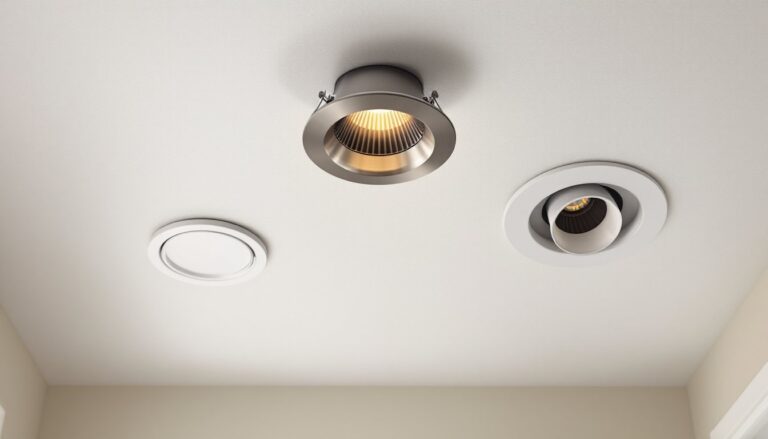
- Ambient lighting provides overall illumination (ceiling fixtures, recessed lights)
- Task lighting supports specific activities (desk lamps, reading lights)
- Accent lighting highlights features and creates mood (wall sconces, picture lights)
Dimmers allow flexibility, shifting a room’s feel from bright and productive to soft and relaxed.