Home automation ideas have moved from sci-fi fantasy to everyday reality. Millions of homeowners now use smart devices to save time, cut energy costs, and add convenience to their routines. The best part? Getting started doesn’t require a tech degree or a massive budget.
This guide covers practical home automation ideas that make a real difference. From smart lighting to voice assistants and automated thermostats, these solutions address common pain points in modern living. Whether someone wants to lower their electricity bill or simply turn off the lights without leaving the couch, there’s a smart home upgrade waiting.
Table of Contents
ToggleKey Takeaways
- Smart lighting and LED bulbs use 75% less energy than traditional incandescent options, making them one of the most impactful home automation ideas for reducing electricity costs.
- Voice-controlled assistants like Alexa, Google Assistant, and Siri serve as central hubs that connect and control multiple smart devices with simple spoken commands.
- Smart thermostats learn your household patterns and can save 10-15% on heating and cooling costs, often paying for themselves within two years.
- Security-focused automation—including video doorbells, smart locks, and motion sensors—provides 24/7 monitoring and deterrence against package theft and break-ins.
- Simple additions like smart plugs, robot vacuums, and water leak sensors automate everyday tasks and protect your home without requiring major investments.
- Most home automation ideas are DIY-friendly and work with entry-level devices, so you don’t need a tech background or large budget to get started.
Smart Lighting for Energy Efficiency and Convenience
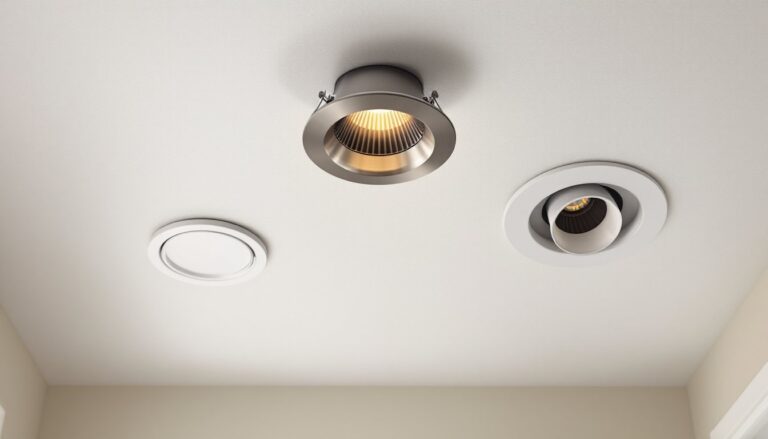
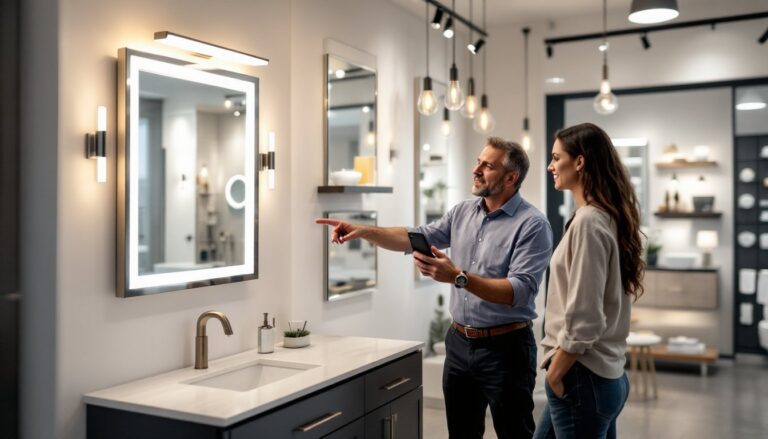
Smart lighting ranks among the most popular home automation ideas for good reason. These systems let homeowners control every bulb in their house from a smartphone app or voice command. No more walking through dark hallways or wondering if someone left the basement lights on.
Smart bulbs from brands like Philips Hue, LIFX, and Wyze connect to home Wi-Fi networks. Users can dim lights, change colors, and set schedules without touching a switch. Motion sensors add another layer of automation, lights turn on when someone enters a room and shut off when they leave.
The energy savings add up fast. According to the U.S. Department of Energy, LED smart bulbs use 75% less energy than traditional incandescent bulbs. Scheduling features prevent lights from running all night, and dimming options reduce consumption further.
Practical applications include:
- Wake-up routines: Lights gradually brighten in the morning, mimicking sunrise
- Away mode: Random light patterns simulate occupancy while traveling
- Movie night: One command dims all lights to the perfect level
Installation takes minutes for most smart bulbs. Just screw them in, download the app, and connect. Smart switches offer a more permanent solution for those who prefer traditional bulbs but still want automated control.
Voice-Controlled Assistants as Your Central Hub
Voice-controlled assistants serve as the command center for home automation ideas. Amazon Alexa, Google Assistant, and Apple Siri connect dozens of smart devices under one interface. Homeowners speak commands instead of juggling multiple apps.
These assistants handle tasks beyond device control. They set timers, play music, answer questions, and manage shopping lists. But their real power emerges when linked to other smart home products.
A typical voice command might sound like: “Hey Google, I’m leaving.” That single phrase could lock the doors, turn off lights, lower the thermostat, and arm the security system. This kind of routine automation saves time every single day.
Choosing the right assistant depends on existing devices. Apple HomeKit works best for iPhone users with Apple TV or HomePod. Google Assistant integrates well with Android phones and Chromecast. Amazon Alexa offers the widest third-party device compatibility.
Smart speakers range from $30 budget options to $300 premium models with better sound quality. Most home automation ideas work fine with entry-level devices. The speaker’s main job is listening and responding, not blasting concert-quality audio.
Privacy-conscious users should review microphone settings. All major assistants offer mute buttons and activity deletion options. Some homeowners prefer local-processing alternatives like Home Assistant for greater control over their data.
Automated Climate Control and Thermostats
Smart thermostats represent some of the most cost-effective home automation ideas available. These devices learn household patterns and adjust temperatures automatically. The result? Lower energy bills without sacrificing comfort.
The Nest Learning Thermostat pioneered this category. It tracks when residents wake up, leave for work, and return home. After a week or two, it builds a schedule based on actual behavior. Ecobee and Honeywell offer similar learning features with their own unique advantages.
Geofencing takes automation further. Smart thermostats detect when smartphones leave a defined area and enter energy-saving mode. When residents head home, the system starts heating or cooling so the house reaches the ideal temperature upon arrival.
Energy savings from smart thermostats average 10-15% on heating and cooling costs. For a household spending $2,000 annually on HVAC, that’s $200-$300 back in their pocket. Most smart thermostats pay for themselves within two years.
Zoned climate control offers even more precision. Smart vents and room sensors let homeowners set different temperatures for different areas. The bedroom stays cool for sleeping while the living room warms up for evening relaxation.
Installation varies by existing HVAC setup. Many homeowners complete DIY installation in under an hour. Older systems without a C-wire may require professional help or adapter kits.
Smart Security Systems for Peace of Mind
Security-focused home automation ideas protect families and property around the clock. Modern systems combine cameras, sensors, and smart locks into unified platforms. Homeowners monitor everything from their phones, whether they’re upstairs or overseas.
Video doorbells changed how people answer their doors. Ring, Nest, and Eufy models show live video feeds and allow two-way conversation. Delivery drivers receive instructions. Suspicious visitors get recorded. The deterrent effect alone reduces package theft and break-in attempts.
Smart locks eliminate the need for physical keys. Residents unlock doors with codes, fingerprints, or smartphone apps. Temporary codes grant access to dog walkers, cleaners, or guests. Activity logs show exactly who entered and when.
Motion sensors and window/door sensors form the backbone of automated security. These devices trigger alerts when unexpected movement occurs. Integration with smart lights can flood the yard with light when someone approaches at night.
Professional monitoring services add another layer. Companies like ADT, SimpliSafe, and Ring Protect dispatch emergency services when alarms activate. Monthly fees range from $10-$30 depending on features.
DIY security systems have improved dramatically. Self-installed options from Wyze, Arlo, and SimpliSafe rival traditional professional installations at a fraction of the cost. Cloud storage fees apply for most video recording features.
Automated Appliances and Everyday Tasks
Home automation ideas extend well beyond lights and thermostats. Smart appliances handle routine tasks that used to demand constant attention. These devices free up time for activities that actually matter.
Robot vacuums top the list of practical automated appliances. iRobot Roomba, Roborock, and Ecovacs models map floor plans and clean on schedule. Higher-end versions empty their own dustbins and mop hard floors. Homeowners return to clean houses without lifting a finger.
Smart plugs convert ordinary devices into automated ones. A $15 plug turns any lamp, fan, or coffee maker into a scheduled appliance. Set the coffee pot to start brewing at 6:30 AM. Have the window fan shut off at midnight. These small automations add up to significant convenience.
Kitchen appliances have embraced automation too. Smart refrigerators track expiration dates and suggest recipes based on available ingredients. Instant Pot and similar cookers accept remote start commands. Smart ovens preheat from across town so dinner’s ready faster.
Laundry automation helps busy households stay on top of chores. Smart washers and dryers send notifications when cycles complete. Some models even order detergent automatically when supplies run low.
Garage door controllers offer underrated automation. They confirm closure status remotely and allow opening for deliveries or guests. No more driving back home to double-check the garage.
Water leak sensors protect against expensive damage. These small devices detect moisture and send immediate alerts. Paired with smart water shutoff valves, they can prevent thousands of dollars in flood damage.