Home automation examples range from smart thermostats to voice-controlled lighting systems. These technologies transform ordinary houses into connected, efficient living spaces. Modern homeowners use automation to save energy, improve security, and simplify daily tasks.
The smart home market continues to grow as devices become more affordable and easier to install. A 2024 study found that over 60% of U.S. households now own at least one smart home device. This guide covers practical home automation examples that deliver real benefits without requiring technical expertise.
Table of Contents
ToggleKey Takeaways
- Home automation examples like smart thermostats and lighting can reduce energy bills by 10-15% annually while improving daily convenience.
- Voice-activated assistants such as Alexa, Google Assistant, and Siri serve as central hubs to control hundreds of smart devices with simple commands.
- Security automation through smart locks, video doorbells, and surveillance cameras provides 24/7 protection and remote monitoring from anywhere.
- Smart appliances and robot vacuums bring practical home automation into everyday tasks like cleaning, cooking, and laundry.
- Integrating multiple systems allows single commands like “goodnight” to lock doors, adjust lighting, lower the thermostat, and arm security simultaneously.
- Most home automation examples are now affordable and easy to install without technical expertise, with over 60% of U.S. households owning at least one smart device.
Smart Lighting and Climate Control
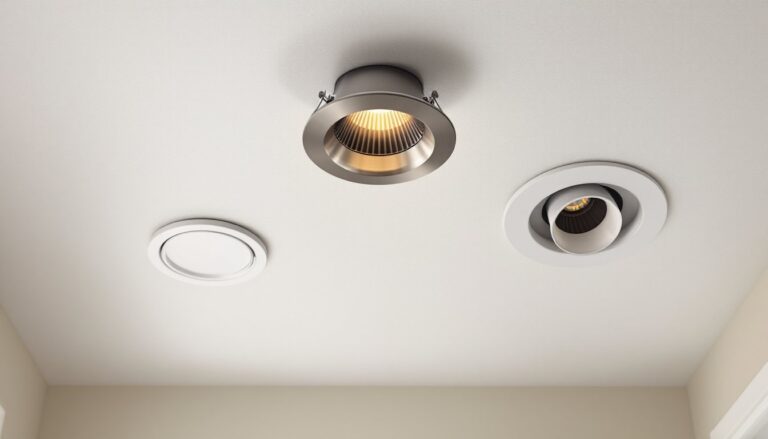
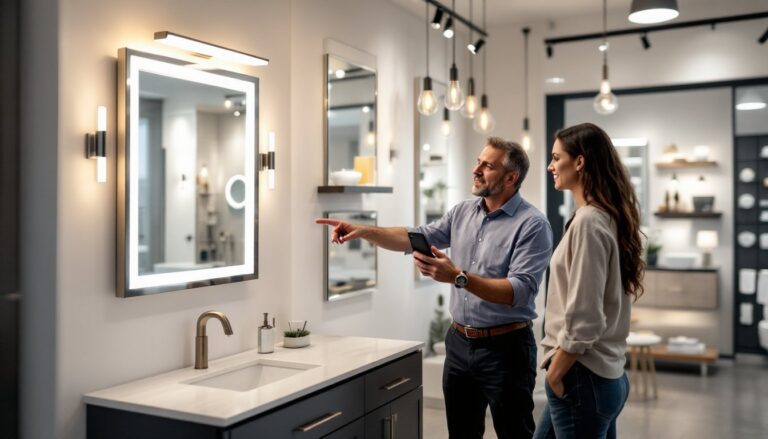
Smart lighting represents one of the most popular home automation examples. Homeowners can control bulbs, switches, and fixtures through smartphone apps or voice commands. Systems like Philips Hue and LIFX allow users to adjust brightness, change colors, and create schedules.
Motion-activated lights offer practical benefits beyond convenience. They turn on automatically when someone enters a room and shut off when the space is empty. This simple automation can reduce electricity bills by 10-15% annually.
Programmable lighting scenes add another layer of functionality. A “movie night” scene might dim the living room lights to 20%. A “wake up” scene could gradually brighten bedroom lights over 15 minutes. These presets eliminate the need to adjust multiple switches manually.
Climate control automation delivers significant energy savings. Smart thermostats like Nest, Ecobee, and Honeywell Home learn household patterns over time. They lower heating or cooling when residents leave and restore comfortable temperatures before they return.
Zoning systems take climate automation further. They allow different temperature settings for different rooms. A homeowner might keep the bedroom cool at night while reducing energy use in unoccupied areas. Some estimates suggest smart thermostats save households $150-200 per year on heating and cooling costs.
Integrating lighting and climate systems creates a cohesive home automation setup. When someone says “goodnight,” the system can lock doors, turn off lights, lower the thermostat, and arm the security system, all with a single command.
Voice-Activated Assistants and Entertainment Systems
Voice-activated assistants serve as the central hub for many home automation examples. Amazon Alexa, Google Assistant, and Apple Siri connect to hundreds of smart devices. Users issue verbal commands to control lights, adjust thermostats, play music, and access information.
These assistants handle practical tasks efficiently. They set timers, create shopping lists, and provide weather updates. For hands-free convenience, voice control proves especially useful while cooking or caring for children.
Entertainment automation brings cinema-quality experiences home. Smart TVs connect to streaming services and respond to voice commands. Sound systems like Sonos distribute audio throughout the house. A single command can start a playlist in every room or focus sound on one specific area.
Multi-room audio represents a standout home automation example. Homeowners can play different music in different zones or sync all speakers together. Streaming services integrate directly, eliminating the need for separate devices in each room.
Home theater automation combines multiple systems. Motorized blinds close, lights dim, the projector powers on, and the sound system activates, all triggered by pressing “play.” This level of integration was once reserved for luxury homes but now costs a fraction of previous prices.
Voice assistants also provide accessibility benefits. People with mobility limitations can control their environment without physical interaction. Seniors can call for help, lock doors, or adjust lighting using simple voice commands.
Security and Surveillance Automation
Security automation provides peace of mind and practical protection. Smart locks allow keyless entry through codes, fingerprints, or smartphone apps. Homeowners can grant temporary access to guests, contractors, or dog walkers without sharing physical keys.
Video doorbells like Ring and Nest Hello show visitors before the door opens. They record footage, detect motion, and send alerts to smartphones. Two-way audio lets homeowners communicate with delivery drivers or deter unwanted visitors, even when away from home.
Automated surveillance systems monitor property 24/7. Indoor and outdoor cameras capture high-definition video and store recordings in the cloud. Motion detection triggers alerts, while night vision ensures clear footage in low light conditions.
Smart sensors expand home automation security options. Door and window sensors detect unauthorized entry. Water leak sensors alert homeowners to potential flooding. Smoke and carbon monoxide detectors send smartphone notifications alongside audible alarms.
Automation rules enhance these individual components. When a door sensor detects unexpected entry, the system can turn on lights, start recording, and send an alert simultaneously. When smoke is detected, smart locks can automatically unlock to help evacuation.
Professional monitoring services integrate with home automation platforms. Companies like ADT and SimpliSafe offer packages that combine DIY installation with 24/7 professional response. This hybrid approach gives homeowners control while maintaining backup support.
Automated Appliances and Daily Conveniences
Smart appliances bring home automation into the kitchen and laundry room. Refrigerators track expiration dates and create shopping lists. Ovens preheat remotely and send notifications when food is ready. Washing machines start cycles during off-peak energy hours to save money.
Robot vacuums represent widely adopted home automation examples. Devices from iRobot, Roborock, and Ecovacs clean floors on schedules or on demand. They map rooms, avoid obstacles, and return to charging stations automatically. Some models empty their own dustbins.
Smart plugs convert ordinary devices into automated ones. A traditional coffee maker becomes “smart” when plugged into a Wi-Fi-enabled outlet. Users can schedule brewing times, turn devices on remotely, or monitor energy consumption through an app.
Automated pet care simplifies life for animal owners. Smart feeders dispense precise portions on schedule. Water fountains maintain fresh, filtered water. Pet cameras allow owners to check on animals and even dispense treats remotely.
Garage door automation adds convenience and security. Smart controllers let homeowners open, close, and monitor garage doors from anywhere. Geofencing technology can automatically close the door when residents drive away, no more wondering if they remembered.
Irrigation automation keeps lawns healthy while conserving water. Smart sprinkler controllers like Rachio adjust watering schedules based on weather forecasts and soil conditions. They skip cycles after rain and increase watering during dry spells. Studies show smart irrigation reduces outdoor water use by 30-50%.