Great design and decor tips can turn any room from forgettable to unforgettable. Whether someone is moving into a new home or refreshing a tired space, the right approach makes all the difference. Good interior design isn’t about spending a fortune or following every trend. It’s about creating a space that feels both beautiful and livable.
This guide covers practical design and decor tips that work for any budget or skill level. From choosing the right colors to layering textures, these strategies help anyone create rooms that look intentional and inviting. The best part? These principles apply whether decorating a studio apartment or a sprawling family home.
Table of Contents
ToggleKey Takeaways
- Start every room with a clear vision and a 3-5 color palette using the 60-30-10 ratio for visual harmony.
- Balance function and aesthetics by mapping out activities, traffic flow, and proper furniture scale before purchasing.
- Layer multiple textures (soft, hard, natural) and three types of lighting (ambient, task, accent) to add depth and dimension.
- Personalize spaces with meaningful accessories like travel souvenirs, family heirlooms, and art that sparks emotional responses.
- Edit ruthlessly—display favorites in odd-numbered groupings and rotate collections seasonally to avoid clutter.
- Apply these design and decor tips gradually, living with a space before accessorizing to discover what’s truly needed.
Start With a Clear Vision and Color Palette
Every successful room starts with a plan. Jumping into purchases without a vision leads to mismatched furniture and regret. Before buying anything, take time to define the mood and purpose of the space.
A color palette serves as the foundation for all design and decor tips. Most designers recommend choosing three to five colors that work together. This typically includes one dominant color (about 60% of the room), a secondary color (30%), and one or two accent colors (10%). This ratio creates visual harmony without feeling boring.
Start by identifying colors that spark joy. Look at favorite clothing, artwork, or even nature photos for inspiration. Cool tones like blues and greens create calm, relaxing spaces. Warm tones like terracotta and mustard add energy and coziness.
Here’s a practical approach:
- Collect inspiration images from magazines or Pinterest boards
- Identify common colors that appear across favorites
- Test paint samples on walls before committing
- Consider the room’s natural light, which affects how colors appear
Neutral bases remain popular for a reason. They offer flexibility for changing accessories and trends without repainting entire rooms. Gray, white, beige, and greige (gray-beige) work as versatile backdrops. They let furniture and decor pieces shine.
Don’t forget about existing elements that can’t easily change. Flooring, countertops, and built-in features should inform the palette. Fighting against these fixed elements creates visual tension.
Balance Function and Aesthetics in Every Room
Beautiful rooms that don’t work for daily life quickly become frustrating. The best design and decor tips always consider how people actually use a space. Form follows function, not the other way around.
Start by listing every activity that happens in the room. A living room might need seating for conversation, a spot for reading, and storage for media equipment. A bedroom requires restful sleep, getting dressed, and possibly a workspace. Each activity needs dedicated space and appropriate furniture.
Traffic flow matters more than most people realize. There should be clear pathways between key areas. Aim for at least 30 inches of walking space in main pathways. Furniture shouldn’t block doors or create awkward obstacles.
Scale and proportion keep rooms feeling right. A massive sectional overwhelms a small living room. A tiny coffee table looks lost next to an oversized sofa. Measure spaces carefully and consider furniture dimensions before purchasing. Many stores offer augmented reality apps that show how pieces look in actual rooms.
Storage solves many design problems. Clutter kills even the most beautiful aesthetic. Built-in storage, attractive baskets, and furniture with hidden compartments all help. Every item needs a home.
These design and decor tips extend to furniture arrangement. Create conversation areas where people can talk comfortably. Position seating to take advantage of views or focal points like fireplaces. Avoid pushing all furniture against walls, floating arrangements often feel more inviting and intentional.
Layer Textures and Lighting for Depth
Flat, one-dimensional rooms feel lifeless. Layering textures and lighting adds the depth that separates professionally designed spaces from amateur attempts. This ranks among the most impactful design and decor tips.
Texture refers to the surface quality of materials. Smooth leather, nubby wool, sleek glass, and rough wood all create different tactile experiences. Combining multiple textures makes rooms feel rich and interesting.
Consider these texture combinations:
- Soft elements: Velvet pillows, knit throws, plush rugs
- Hard elements: Metal frames, glass tables, wood furniture
- Natural elements: Woven baskets, stone accessories, live plants
- Architectural elements: Exposed brick, shiplap, crown molding
The same principles apply to visual weight. Mix heavy pieces with lighter ones. A substantial wooden dining table pairs well with airy wire chairs. A chunky knit blanket softens a sleek leather sofa.
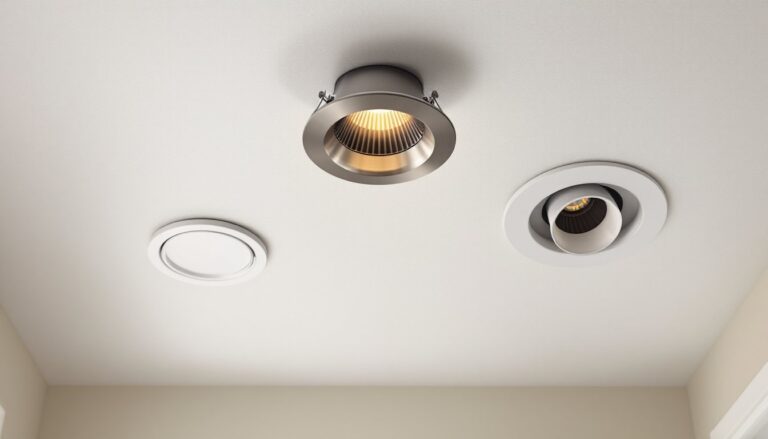
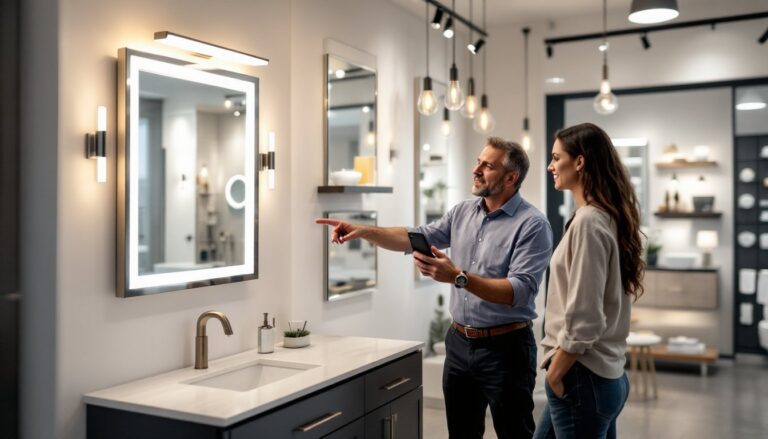
Lighting deserves equal attention. Designers use three layers of lighting for complete, functional spaces. Ambient lighting provides overall illumination, think overhead fixtures and recessed lights. Task lighting focuses on specific activities like reading lamps and under-cabinet kitchen lights. Accent lighting highlights artwork, architecture, or decor pieces.
Every room benefits from multiple light sources at different heights. Floor lamps, table lamps, pendants, and wall sconces create variety. Dimmer switches offer flexibility for different moods and times of day.
Natural light remains the most flattering. Keep windows unobstructed when possible. Sheer curtains filter harsh sun while maintaining brightness. Mirrors placed opposite windows bounce light deeper into rooms.
Personalize With Thoughtful Accessories
Accessories transform generic rooms into personal sanctuaries. They tell stories and reflect the people who live there. The best design and decor tips encourage meaningful curation over random accumulation.
Start with what already exists. Travel souvenirs, family heirlooms, and collected objects carry more significance than store-bought decor. These pieces spark conversation and create unique spaces that can’t be replicated.
Art anchors rooms and expresses personality. It doesn’t need to be expensive, original works from local artists, vintage finds, or even framed textiles all work. The key is choosing pieces that create emotional responses. Hang art at eye level (typically 57-60 inches from floor to center) for proper viewing.
Plants bring life to any space. They add color, texture, and actual living energy. Low-maintenance options like pothos, snake plants, and ZZ plants work for those without green thumbs. Even faux plants have improved dramatically in recent years.
Books, vases, candles, and sculptural objects add finishing touches. Style surfaces in groups of odd numbers, three or five items typically look more pleasing than even numbers. Vary heights within groupings for visual interest.
Editing remains essential. Too many accessories create clutter and visual noise. Display favorites and store the rest. Rotate collections seasonally to keep spaces feeling fresh without buying new items.
These design and decor tips work best when applied gradually. Living with a space before accessorizing reveals what’s actually needed. Rushed purchases often get replaced later.