Fresh design & decor ideas can completely change how a room feels. A space that once felt dull or cramped can become a place people actually want to spend time in. The good news? Major renovations aren’t always necessary.
Whether someone is moving into a new home or simply tired of staring at the same walls, small intentional changes add up. This guide covers practical ways to discover personal style, work within a budget, and use color, texture, and strategic updates to create a living space that feels both comfortable and visually appealing.
Table of Contents
ToggleKey Takeaways
- Fresh design & decor ideas can transform any room without requiring major renovations—small, intentional changes add up.
- Identify your personal style by gathering inspiration and looking for recurring patterns in colors, textures, and furniture shapes you’re drawn to.
- Use the 60-30-10 color rule to create balanced rooms: 60% dominant color, 30% secondary, and 10% accent.
- Layer different textures like smooth glass, soft velvet, and rough natural materials to add depth and visual interest.
- Budget-friendly updates like rearranging furniture, thrifting, and swapping hardware deliver high impact without high costs.
- Small strategic changes—better lighting, mirrors, plants, and decluttering—often make the biggest difference in how a space feels.
Finding Your Personal Design Style
Before buying a single throw pillow, it helps to understand what actually appeals to you. Design & decor ideas work best when they reflect the people living in the space.
Start by gathering inspiration. Pinterest boards, Instagram saves, and magazine clippings all serve as useful tools. After collecting 20-30 images, patterns usually emerge. Maybe there’s a lot of warm wood tones. Perhaps clean lines keep showing up. These recurring elements point toward a personal aesthetic.
Some common design styles include:
- Modern: Clean lines, minimal ornamentation, neutral colors with bold accents
- Bohemian: Layered textiles, rich colors, collected items from travels
- Scandinavian: Light woods, white walls, functional pieces with simple forms
- Traditional: Symmetry, classic furniture shapes, rich fabrics
- Industrial: Exposed materials, metal accents, raw textures
Most people don’t fit neatly into one category. That’s fine. A room can blend Scandinavian simplicity with bohemian warmth. The goal is identifying what consistently draws attention and feels right.
Consider lifestyle too. A household with young children or pets needs durable fabrics and wipeable surfaces. Someone who works from home might prioritize a functional office corner. Design & decor ideas should support daily life, not fight against it.
Budget-Friendly Decorating Tips
Good design doesn’t require a massive budget. Some of the best design & decor ideas cost very little, or nothing at all.
Rearranging existing furniture creates instant change. Try pulling a sofa away from the wall or swapping pieces between rooms. This simple shift can make a space feel completely different.
Thrift stores and estate sales offer quality pieces at fraction of retail prices. Solid wood furniture, ceramic lamps, and vintage mirrors often show up for under $50. A fresh coat of paint transforms dated finds into statement pieces.
DIY projects stretch decorating dollars further. Painting an accent wall costs roughly $30-50 in supplies. Creating a gallery wall with thrifted frames runs about the same. These updates deliver visual impact without major investment.
Other budget-friendly design & decor ideas include:
- Swapping out dated hardware on cabinets and dressers
- Adding peel-and-stick wallpaper to a single wall or closet interior
- Covering old throw pillows with new covers
- Framing fabric, wrapping paper, or calendar prints as art
- Repurposing items from other rooms
Prioritize spending on pieces that get heavy use. A quality sofa or mattress justifies higher investment. Trendy accent pieces can come from budget sources since styles change anyway.
Color Schemes and How to Use Them Effectively
Color affects mood more than most people realize. The right palette ties a room together while the wrong one creates visual chaos.
The 60-30-10 rule offers a reliable starting point. Sixty percent of a room uses a dominant color (usually walls and large furniture). Thirty percent features a secondary color (upholstery, curtains, rugs). Ten percent adds accent colors (pillows, art, decorative objects). This ratio creates balance without feeling boring.
Neutral bases, whites, grays, beiges, tans, give flexibility. They allow bolder choices in accessories that can change with seasons or trends. A neutral sofa with colorful pillows adapts more easily than a bright purple couch.
When selecting colors, consider:
- Room orientation: North-facing rooms benefit from warmer tones since they receive cooler light
- Room size: Lighter colors make small spaces feel larger: darker shades add coziness to large rooms
- Existing elements: Flooring, built-ins, and architectural details should complement the chosen palette
Test paint colors before committing. Buy sample sizes and paint large swatches on multiple walls. View them at different times of day since natural and artificial light change how colors appear.
Design & decor ideas involving color work best when there’s intention behind choices rather than random selection.
Incorporating Texture and Layering
A room can have perfect colors and still feel flat. Texture adds the depth and visual interest that photography often misses but people immediately sense in person.
Layering different textures creates warmth and dimension. A leather sofa paired with a chunky knit throw and linen curtains offers variety without clashing. The eye moves across surfaces differently, making the space more engaging.
Texture categories to mix include:
- Smooth: Glass, polished metal, lacquered surfaces
- Soft: Velvet, chenille, faux fur
- Rough: Woven baskets, jute rugs, raw wood
- Natural: Stone, plants, dried flowers
Rugs layer over hard flooring to add softness and define spaces within open floor plans. A rug under a dining table or seating area anchors furniture groupings and makes rooms feel intentional.
Curtains contribute both texture and volume. They soften hard window frames and add height when hung close to the ceiling. Even rooms with blinds benefit from curtain panels as a layering element.
Pillows and throws offer easy, affordable texture updates. Mixing materials, say, a velvet pillow next to a woven one, prevents the matchy-matchy look that can feel sterile.
These design & decor ideas help rooms feel collected over time rather than purchased all at once from a single store.
Small Changes That Make a Big Impact
Sometimes rooms don’t need overhauls, they need editing. Small, strategic updates often deliver the most noticeable results.
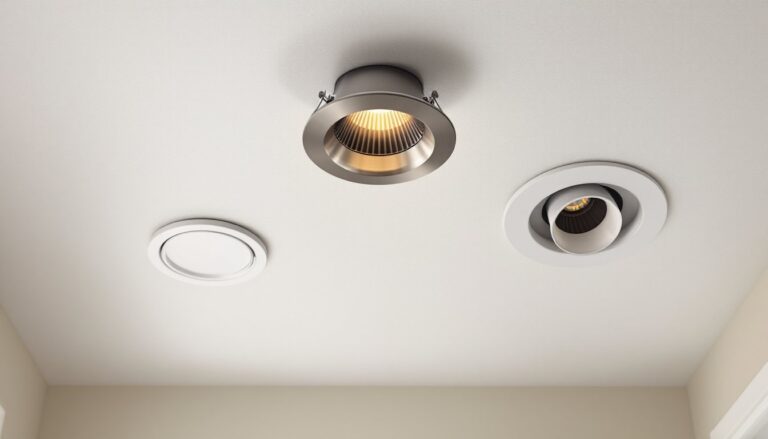
Lighting ranks among the most overlooked design & decor ideas. Replacing builder-grade fixtures with interesting pendants or statement lamps instantly upgrades a space. Adding dimmer switches creates flexibility for different moods and times of day. Layering light sources, overhead, task, and ambient, makes rooms more functional and inviting.
Mirrors expand visual space and bounce light around rooms. A large mirror opposite a window essentially doubles natural light. Groupings of smaller mirrors create sculptural interest on walls.
Plants bring life to any room. They add color, texture, and visual softness while improving air quality. For those without a green thumb, hardy options like pothos, snake plants, and ZZ plants require minimal care.
Other high-impact, low-effort changes:
- Update switch plates and outlet covers: Swap plastic for metal or painted versions
- Style open shelving: Edit collections, add books, incorporate varying heights
- Hang art at proper height: Eye level sits around 57-60 inches from the floor
- Clear clutter: Sometimes subtraction improves a room more than addition
- Add a statement piece: One bold item gives the eye a focal point
These design & decor ideas work because they address elements people notice subconsciously. The room simply feels better, even if visitors can’t pinpoint exactly why.