A well-designed space changes how people live, work, and feel at home. This design & decor guide breaks down the fundamentals of creating rooms that reflect personality while maintaining function. Whether starting from scratch or refreshing an existing room, the right approach makes all the difference.
Good design isn’t about following trends blindly or spending a fortune. It’s about understanding what works, why it works, and how to apply those principles to any budget. The following sections cover everything from identifying personal style to arranging furniture and selecting colors that set the right mood.
Table of Contents
ToggleKey Takeaways
- Identify your personal style first by gathering inspiration and noting patterns in colors, materials, and aesthetics you’re naturally drawn to.
- Apply the 60-30-10 color rule—60% dominant color, 30% secondary, 10% accent—to create balanced, visually appealing rooms.
- Arrange furniture around a focal point and leave adequate walkway space (30 inches minimum) for better flow and function.
- Shop secondhand for quality pieces and invest in high-use items like sofas and dining tables while saving on decorative accessories.
- Use repetition intentionally—repeat colors, shapes, or materials at least three times throughout a space to create visual cohesion.
- Layer your design from large pieces to small accessories, then edit ruthlessly to ensure every object earns its place.
Understanding Your Personal Style
Before buying a single throw pillow, homeowners should identify their design preferences. Personal style acts as a filter for every decision that follows. Without it, rooms often feel disjointed or generic.
Start by gathering inspiration. Pinterest boards, magazine clippings, and saved Instagram posts reveal patterns over time. Someone might notice they’re drawn to clean lines and neutral tones (modern minimalist) or warm woods and vintage finds (rustic farmhouse). These patterns point toward a core aesthetic.
A design & decor guide works best when it addresses real preferences. Ask these questions:
- What colors appear most often in favorite spaces?
- Do cluttered or sparse rooms feel more comfortable?
- What materials feel appealing, metal, wood, fabric, glass?
- Which era or cultural style keeps showing up?
Personal style doesn’t need a formal label. Some people blend mid-century modern with bohemian accents. Others prefer industrial elements softened by traditional textiles. The goal is consistency, not conformity.
One practical exercise: walk through the current home and note what works and what doesn’t. That uncomfortable chair? Remove it. The gallery wall that sparks joy? Build on it. Existing spaces hold clues about authentic preferences.
Essential Elements of Interior Design
Every successful space relies on core design elements working together. This design & decor guide focuses on two fundamentals: color and layout. Master these, and most rooms will feel intentional and polished.
Color Palettes and Textures
Color sets the emotional tone of a room. Cool blues and greens create calm environments. Warm yellows and oranges energize a space. Neutrals provide flexibility and timelessness.
The 60-30-10 rule offers a reliable framework:
- 60% dominant color (walls, large furniture)
- 30% secondary color (curtains, accent chairs, rugs)
- 10% accent color (pillows, artwork, decorative objects)
Texture adds depth that flat color alone can’t achieve. A monochromatic room becomes interesting through varied textures, linen curtains, velvet cushions, woven baskets, smooth ceramics. Mix rough and smooth, matte and shiny, heavy and light.
For any design & decor guide to be practical, it must address common mistakes. Avoid choosing all textures from the same weight category. A room full of heavy leather and chunky knits feels oppressive. Balance matters.
Furniture Arrangement and Layout
Furniture placement affects flow, function, and visual appeal. Start with the room’s focal point, a fireplace, large window, or entertainment center. Arrange seating to face or acknowledge this anchor.
Traffic patterns deserve attention. People should move through spaces without zigzagging around obstacles. Leave at least 30 inches for major walkways and 18 inches between a coffee table and sofa.
Floating furniture works better than pushing everything against walls. Pulling pieces away creates intimacy and defines conversation areas. In open floor plans, furniture groupings establish separate zones for different activities.
Scale matters as much as placement. Oversized sectionals overwhelm small rooms. Tiny accent chairs disappear in large spaces. Measure twice, buy once, this advice saves money and frustration.
Budget-Friendly Decorating Tips
Great design doesn’t require deep pockets. This design & decor guide includes strategies for achieving high-end looks without the price tag.
Shop secondhand strategically. Estate sales, thrift stores, and online marketplaces offer quality furniture at fraction of retail prices. Solid wood pieces from decades past often outlast modern particle board alternatives. A fresh coat of paint transforms dated finds.
Invest in key pieces, save on others. Spend more on items used daily, sofas, mattresses, dining tables. Cut costs on decorative accessories, throw pillows, and seasonal items that change frequently.
DIY where skills allow. Painting walls, reupholstering simple chairs, building basic shelving, these projects save hundreds while adding personal touches. Know limitations though. Electrical work and structural changes require professionals.
Use paint as a design tool. Nothing transforms a room faster or cheaper than fresh paint. An accent wall adds drama. Painting old furniture creates cohesion. Even painting interior doors a contrasting color elevates a space.
Rearrange before replacing. Moving existing furniture to new positions costs nothing but time. A chair from the bedroom might be perfect in the living room. Artwork rotated between rooms feels fresh again.
Any design & decor guide should acknowledge that patience pays off. Rushing to fill a space leads to regrettable purchases. Living with an empty corner for a few months beats living with a wrong choice for years.
Bringing It All Together
Individual elements don’t guarantee a cohesive room. The final step involves connecting pieces into a unified whole.
Repetition creates visual rhythm. Repeat colors, shapes, or materials at least three times throughout a space. If brass appears on a lamp, echo it in drawer pulls and a picture frame. This intentional repetition signals thoughtful design.
Layers build character. Start with large pieces (furniture, rugs), add medium elements (curtains, artwork), then finish with small accessories (books, plants, candles). Each layer adds personality without overwhelming.
Editing separates good design from great design. Step back and remove items that don’t contribute. That decorative bowl serving no purpose? It might be clutter. This design & decor guide emphasizes restraint, every object should earn its place.
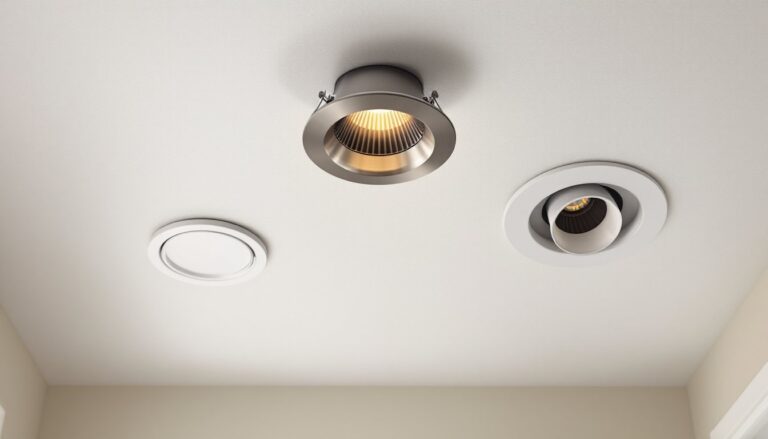
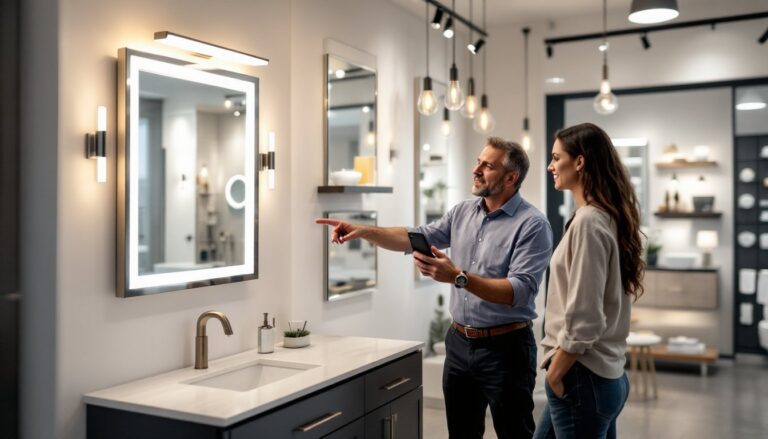
Lighting deserves final attention. Combine ambient (overhead), task (reading lamps), and accent (picture lights) sources. Dimmer switches add flexibility. Natural light remains irreplaceable, so keep window treatments functional rather than purely decorative.